


Spirometry in Warsaw's Ochota District
Spirometry is a noninvasive test that measures the volume of exhaled air and its flow rate. It helps assess lung function in cases such as chronic cough, shortness of breath, wheezing, decreased exercise tolerance, and suspected asthma or COPD. At CareLife Clinic in Warsaw’s Ochota district, the test can be combined with a pulmonology consultation, allowing the results to be interpreted in the context of the patient’s symptoms, medical history, and current treatment. During spirometry, the patient performs several repeated, maximal exhalations into a mouthpiece, and the assessed parameters—including FEV1, FVC, and FEV1/FVC—help diagnose ventilation disorders and monitor the effectiveness of treatment.
+340 Satisfied Patients
+12 Specialists on the team
+2,400 Procedures per year
+15 Years of experience
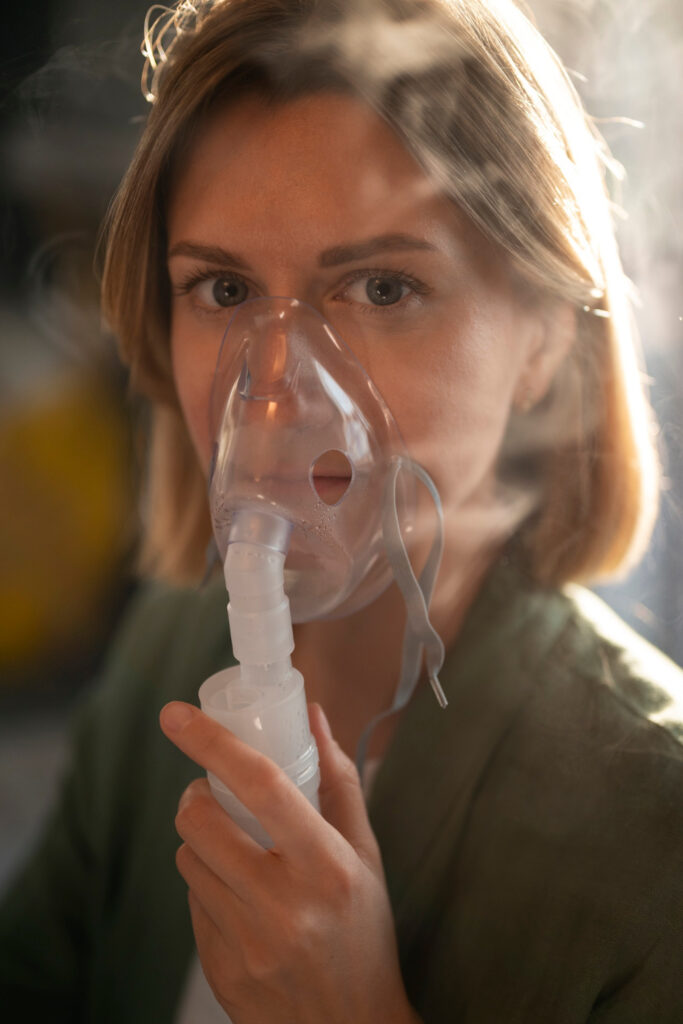
Pulmonary function test—spirometry— in Warsaw
Spirometry allows for an objective assessment of how efficiently air flows through the airways and how much air a patient is able to exhale from their lungs. The test is used to diagnose chronic cough, shortness of breath, wheezing, and decreased exercise tolerance, as well as in cases of suspected asthma or chronic obstructive pulmonary disease.
At CareLife Clinic in Warsaw’s Ochota district, spirometry is performed as part of pulmonary diagnostics. The test can be combined with a consultation with a physician, who interprets the results in light of the patient’s age, height, symptoms, medical history, exposure to tobacco smoke, and medications being taken. Depending on the indications, either a baseline spirometry test or a test with a bronchodilator challenge is performed.
What is spirometry
at CARELIFE CLINIC?
Spirometry is a functional test of the respiratory system. Unlike X-rays or CT scans, it does not show the structure of the lungs, but rather measures how they function. A spirometer records the volume of exhaled air and the speed at which it leaves the airways during maximum exhalation.
The primary parameters assessed are FVC (forced vital capacity), FEV1 (forced expiratory volume in one second), and the FEV1/FVC ratio. Based on these values, it is possible to identify signs of obstruction—that is, narrowing of the airways—and to detect results suggesting other ventilation disorders.
The test is noninvasive and does not require blood draws or the use of radiation. However, its reliability depends on the patient’s cooperation, proper placement of the mouthpiece, and an exhalation that is sufficiently rapid and prolonged. For this reason, each maneuver is performed several times.
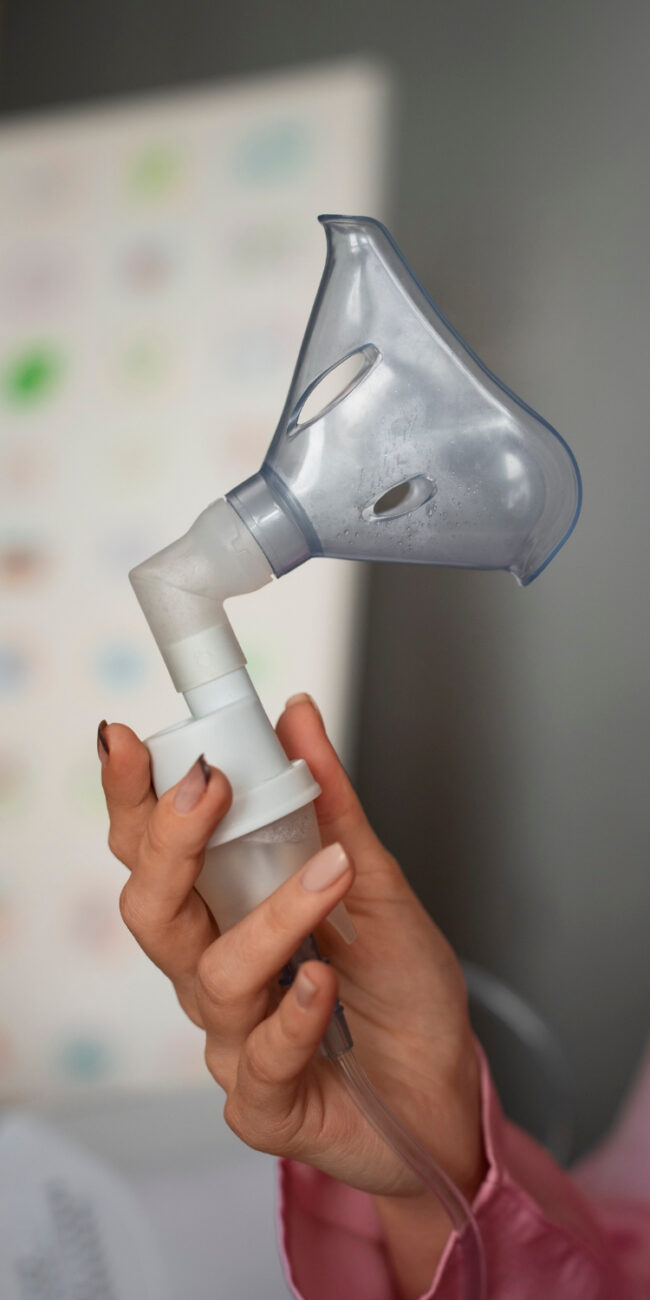
Pulmonologists and physicians who perform spirometry at Carelife Clinic

Our Specialist: Specialist in Pulmonology and Internal Medicine
Robert Staniszewski, M.D., Ph.D. – He is an outstanding specialist in pulmonary and internal medicine with over 30 years of clinical experience. He guarantees the highest standard of diagnosis and effective treatment of respiratory diseases and allergies. As a doctor by vocation, he is distinguished by his exceptionally ethical and personalized approach to patients. Respecting your time and budget, he focuses exclusively on sound medical practice and avoids costs associated with unnecessary tests. He takes a comprehensive view of the patient’s health—effectively diagnosing and treating comorbid conditions that negatively affect your breathing comfort. By choosing a consultation with Dr. Staniszewski, you are entrusting your health to an experienced practitioner for whom your safety and health are the top priority.
We’re open 7 days a week!
When is it advisable to undergo spirometry?
Indications for spirometry may include symptoms that persist for several weeks, recurrent respiratory symptoms, or abnormalities detected during a physical examination. The test is particularly worth considering if the patient experiences:
- – a chronic or recurrent cough,
- – shortness of breath during exertion or at rest,
- – wheezing and a feeling of tightness in the chest,
- – a marked decrease in exercise tolerance,
- – frequent bronchial infections,
- – prolonged coughing up of secretions,
- – worsening of symptoms after exposure to allergens, cold air, or physical exertion.
Spirometry is also performed to monitor diagnosed asthma or COPD, assess the effectiveness of inhaled therapy, and monitor lung function in individuals occupationally exposed to dust, smoke, chemical fumes, and other irritants. The test may also be part of the evaluation process for surgery or broader internal medicine diagnostics.
Pulmonologist in Warsaw - Price List
Pulmonology Consultations – R. Staniszewski, M.D., Ph.D.
- Pulmonology consultation + spirometry – 440 PLN (20 min)
- Pulmonology consultation + spirometry with a bronchodilator test – 540 PLN (20 min)
- Pulmonology consultation – 320 PLN (20 min)
- Online pulmonology consultation – 320 PLN (20 min)
- Pulmonology and Allergy Consultation for Adults – 320 PLN (20 min)
- Pulmonology telephone consultation – 320 PLN (20 min)
Are you thinking about choosing a service?
We can help you
We’re open 7 days a week!
Spirometry in Warsaw’s Ochota District—Testing at Care Life Clinic
Care Life Clinic is located at 3 Józefa Siemieńskiego Street in Warsaw’s Ochota district, near the Medical University of Warsaw (WUM) University Clinical Center. The clinic offers 30 free, private parking spaces behind a barrier.
The option to combine spirometry with a pulmonology consultation streamlines the diagnostic process. During a single visit, the doctor can take a medical history, examine the patient, evaluate the quality of the test results, and determine whether a bronchodilator test, treatment, or further diagnostic testing is needed.
It’s a good idea to bring previous test results, a list of medications, and any inhalers you use to your appointment. You can schedule an appointment and specify the type of test by calling the CareLife Clinic registration desk.
Spirometry for Chronic Cough, Shortness of Breath, and Wheezing
Chronic cough, shortness of breath, and wheezing can have many causes. In addition to asthma and COPD, similar symptoms can occur in conditions such as allergies, infections, reflux, heart disease, anemia, or upper respiratory tract disorders. Spirometry helps determine whether these symptoms are accompanied by restricted airflow through the bronchi.
This test is particularly valuable when symptoms worsen during physical exertion, at night, in the early morning, after exposure to an allergen, or after going out into the cold. The variability of symptoms is also significant—periods of normal breathing interspersed with episodes of coughing or shortness of breath may indicate the need for testing for asthma.
A normal result from a single spirometry test does not rule out all respiratory diseases. If symptoms persist, a pulmonologist may recommend repeating the test during a period of symptom exacerbation, a bronchodilator test, a FeNO measurement, a PEF diary, a provocation test, or imaging studies.
Spirometry in Cases of Suspected Asthma and COPD
In the diagnosis of asthma, spirometry is primarily used to detect reversible airway narrowing. For this purpose, the baseline test may be supplemented with a bronchodilator challenge. Comparing the results before and after medication administration helps assess whether airflow through the bronchi improves significantly.
When COPD is suspected, the FEV1/FVC ratio obtained after administration of a bronchodilator is of particular importance. Persistent airway obstruction, clinical symptoms, and a history of exposure to tobacco smoke or occupational dust may support the diagnosis of the disease. However, an abnormal result alone should not be interpreted in isolation from the patient’s age, symptoms, and medical history.
Spirometry also helps assess the severity of the condition and monitor its progression. Subsequent results are best compared under similar conditions, taking into account medications taken and the quality of the maneuvers performed.
Spirometry for Smokers and People Over 40
Long-term cigarette smoking, e-cigarette use, and secondhand smoke exposure increase the risk of chronic respiratory diseases. Spirometry is particularly recommended when a smoker or former smoker experiences a morning cough, coughing up phlegm, shortness of breath, wheezing, or a gradual decline in lung function.
Being over 40 years old does not automatically mean that every asymptomatic person needs to undergo screening. However, the need for testing becomes stronger if age is combined with long-term smoking, working in dusty environments, exposure to chemicals, or recurrent bronchial infections.
Spirometry can detect reduced airflow even before shortness of breath begins to significantly interfere with daily functioning. The result also serves as a good baseline for follow-up tests, especially after quitting smoking or starting treatment.
Baseline spirometry vs. spirometry with a bronchodilator test
Baseline spirometry involves a series of maximum exhalations performed without the administration of a bronchodilator. It allows for the assessment of, among other things, FEV1, FVC, and FEV1/FVC, and helps determine whether there are signs of airflow limitation. It may be sufficient during follow-up visits or when a doctor wants to assess current lung function.
Spirometry with a bronchodilator test consists of two parts. First, baseline measurements are taken; then, the patient inhales a bronchodilator, and after allowing time for it to take effect, the test is repeated. The doctor compares the two sets of results.
The bronchodilator test is primarily used to diagnose obstructive lung disease and suspected asthma. A doctor should decide whether to perform this test, as not every patient requires medication during the test.
Contraindications to spirometry
Spirometry is a low-risk test, but maximal exhalation temporarily increases pressure in the chest, abdomen, and head. Therefore, before the test begins, you should inform the staff of any cardiovascular diseases, recent surgeries, and current infections.
The following conditions, among others, require special evaluation:
– a recent heart attack, unstable heart disease, or decompensated heart failure,
– significant arrhythmias, severe hypertension, or unstable pulmonary embolism,
– pneumothorax,
– cerebral aneurysm or a recent head injury with persistent symptoms,
– recent surgery on the eye, brain, ear, sinuses, chest, or abdomen,
– hemoptysis of unknown cause,
– an active infectious respiratory infection,
– fainting episodes previously triggered by coughing or forceful exhalation,
– advanced pregnancy requiring individual assessment.
These are most often relative contraindications, not an automatic prohibition against testing. The doctor assesses the benefits and risks in relation to the specific patient’s situation.
Spirometry in Children and the Elderly
Reliable spirometry requires the ability to understand instructions, take a full breath, and exhale immediately, forcefully, and for a sufficiently long duration. Many children are able to perform the test correctly starting around age 5–6, but cooperation is more important than age alone.
For children, reference values appropriate for their age and height are used. Longer instruction, a demonstration of the maneuver, and a greater number of attempts may be necessary. Before scheduling an appointment for a child at CareLife Clinic, please confirm with the registration desk the current age range for the tests and consultations offered.
In older adults, spirometry is often very useful, especially in cases of shortness of breath, long-term smoking, and suspected COPD. Difficulties may arise due to problems with a tight seal around the mouthpiece, muscle weakness, cognitive impairment, or neurological disorders. The result should always be interpreted with consideration of the quality of the tests performed.
Spirometry and Other Respiratory Tests
Spirometry primarily assesses the flow and volume of exhaled air, but it does not answer all questions regarding the lungs. Depending on the symptoms, a pulmonologist may supplement the diagnosis with:
– pulse oximetry, which measures blood oxygen saturation,
– a chest X-ray or CT scan,
– plethysmography, which measures total lung volume,
– a DLCO test to assess gas exchange from the lungs to the blood,
– FeNO measurement, which helps assess eosinophilic inflammation,
– a PEF diary showing variations in airflow throughout the day,
– bronchial provocation test if asthma is suspected and spirometry results are normal,
– allergy testing,
– exercise testing or a cardiopulmonary exercise test (CPET).
X-rays and CT scans primarily show the structure of the respiratory system, while spirometry assesses its function. For this reason, these tests often complement rather than replace one another.
Frequently Asked Questions About Spirometry
Before their first appointment, patients often wonder whether they need a referral and what test results they should bring with them. Below, we answer the most common questions about spirometry at Care Life Clinic.
What is a bronchodilator test?
The test begins with a properly performed baseline spirometry test. After obtaining at least three valid maneuvers, the patient receives an inhaled bronchodilator. The medication is typically administered via an inhaler with a spacer, which facilitates the delivery of the appropriate dose to the airways.
After waiting for the time specified in the procedure—usually about 10–15 minutes for commonly used short-acting medications—spirometry is performed again. The primary focus is on comparing changes in FEV1 and FVC. A significant improvement may indicate a bronchial response to the medication, but the test result alone is not sufficient to diagnose or rule out asthma.
How is a spirometry test performed?
The test is usually performed in a seated position. Before beginning, the data needed to calculate the appropriate values—primarily age and height—are verified. The patient is given a disposable mouthpiece, and a nose clip is placed over the nose to prevent air leakage.
After taking a few calm breaths, the patient takes the deepest possible breath, seals the mouthpiece tightly, and immediately exhales as hard, fast, and long as possible. The exhalation continues until the device stops recording flow or the person conducting the test instructs the patient to stop.
The measurement is repeated at least three times. The results should not only be technically correct but also consistent with one another. If the patient coughs, begins exhaling too late, interrupts the exhalation prematurely, or air escapes from the side of the mouthpiece, another attempt may be necessary.
How do you prepare for spirometry?
Proper preparation reduces the risk of a test result being affected by a meal, physical activity, tobacco smoke, or improper medication use. Before the test, it’s a good idea to follow a few guidelines:
Do not smoke cigarettes or e-cigarettes for at least 2 hours,
do not consume alcohol for at least 8 hours,
do not eat a large meal for about 2 hours,
avoid strenuous exercise for at least 30–60 minutes,
wear loose-fitting clothing that does not restrict movement of the chest and abdomen,
arrive a few minutes early to allow your breathing to settle before the test.
If you have a fever, a severe infection, a severe cough, or a sudden worsening of breathing, please contact the facility in advance. An infection may affect the results, make it difficult to perform the maneuvers correctly, and require rescheduling of the test.
Inhaled Medications Before Spirometry—What Should You Keep in Mind?
Inhaled medications should not be discontinued on your own. The decision depends on the purpose of the test. If the pulmonologist wants to evaluate the effectiveness of the current treatment, the patient may be advised to take the medications as usual. When the goal is to diagnose airway obstruction or perform a bronchodilator test, some medications may need to be temporarily discontinued.
Approximate withdrawal times prior to a diagnostic bronchodilator test are as follows:
short-acting beta-2 agonists, e.g., salbutamol—4–6 hours,
short-acting anticholinergic medications, e.g., ipratropium—approximately 12 hours,
long-acting beta-2 agonists—approximately 24 hours,
ultra-long-acting medications—approximately 36 hours,
long-acting anticholinergic drugs—about 36–48 hours.
What should you bring to a spirometry test?
It’s a good idea to bring a form of identification, a current list of medications, and any previous medical records related to your respiratory system to the appointment. Particularly useful are previous spirometry results, hospital discharge summaries, chest X-ray or CT scan results, and reports from pulmonology and allergy consultations.
People who use inhalers should bring their devices or write down the full names of the medications. This is important because the term “asthma inhaler” does not specify the active ingredient or its duration of action.
Does spirometry hurt?
Spirometry does not involve any skin punctures, contrast agents, or radiation, and should not cause any pain on its own. However, the test requires several very forceful exhalations, so it may feel tiring.
How long does a spirometry test take?
A basic spirometry test usually takes about 15–30 minutes. This time includes gathering basic information, providing instructions, fitting the nose clip, and performing at least three valid and repeatable measurements. If the maneuvers vary or the patient ends the exhalation prematurely, the test may take longer.
Spirometry results—what do the basic parameters mean?
The results show measured values and expected values, calculated based on, among other factors, the patient’s age, height, and sex. The most important parameters are:
FVC – the maximum volume of air exhaled during a forced exhalation after a full inhalation,
FEV1 – the volume of air exhaled during the first second of a forced exhalation,
FEV1/FVC – the ratio of these two values, used primarily to assess airway obstruction,
PEF – the highest flow rate achieved during exhalation,
FEF25–75% – the average flow rate in the middle portion of a forced exhalation, which is of secondary importance.
A reduced FEV1/FVC ratio may indicate airway narrowing. A low FVC value with a normal FEV1/FVC ratio may suggest reduced lung volume, but spirometry alone does not confirm restriction—measuring total lung capacity may be necessary for this.