


Acne Treatment in Warsaw – Aurora 300
Active acne requires treatment tailored to the type of lesions, skin condition, and causes of recurrence. At CareLife Clinic, we combine a dermatological evaluation with aesthetic medicine treatments, including therapy with the Aurora 300 device. Cold plasma can help reduce acne-related bacteria, alleviate inflammation, and promote skin regeneration. Once active lesions have subsided, we can expand the treatment plan to include procedures using warm plasma or other technologies designed to reduce hyperpigmentation, enlarged pores, and acne scars.
+340 Satisfied Patients
+12 Specialists on the team
+2,400 Procedures per year
+15 Years of experience
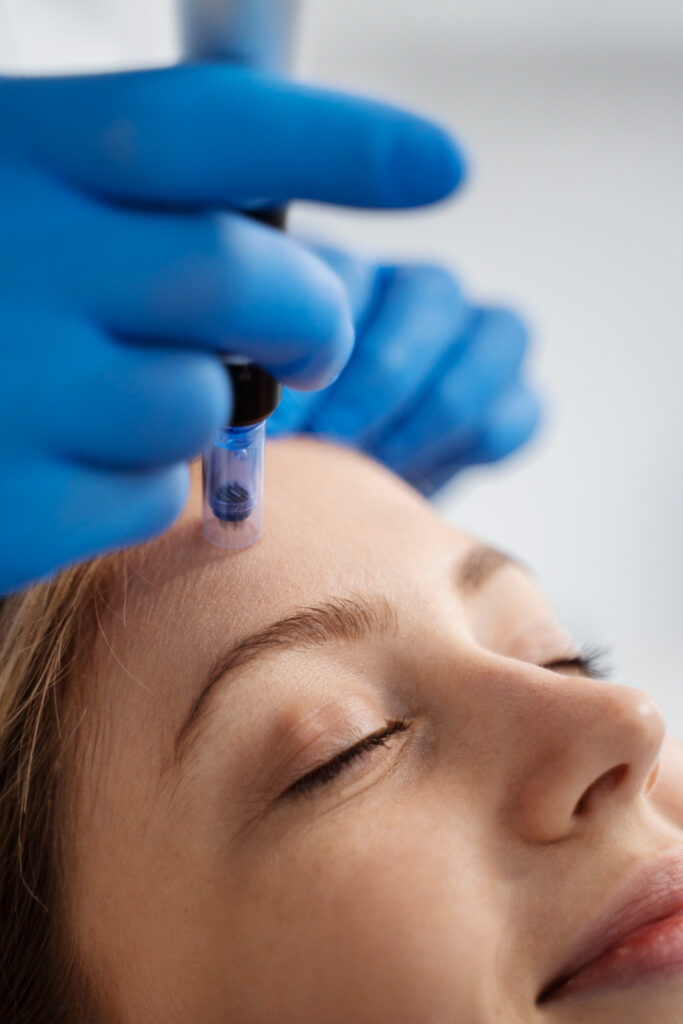
Acne Treatment in Warsaw – Aurora 300 Therapy
At CareLife Clinic, we begin acne treatment by assessing the type of lesions and the condition of the skin. We determine whether blackheads, papules, pustules, painful nodules, seborrhea, hyperpigmentation, or permanent scars are predominant. We also take into account your current skincare routine, medications you’re taking, cosmetic procedures, and factors that may cause flare-ups.
Depending on the specific needs, the treatment plan may include at-home skincare, topical or oral medications, Aurora 300 therapy, medical peels, and other procedures. In cases of active acne, we focus primarily on reducing inflammation and preventing the formation of new lesions. We perform skin-rejuvenating and scar-reducing treatments in the next stage.
What is acne, and why does it require treatment
at CARELIFE CLINIC?
Acne is a chronic disease of the pilosebaceous units. Its development involves excessive sebum secretion, abnormal keratinization of the hair follicle openings, proliferation of Cutibacterium acnes bacteria, and inflammation. Blackheads, papules, pustules, nodules, or deep purulent lesions appear on the skin.
Untreated acne can leave red marks, brown discoloration, and permanent atrophic scars. The risk increases when lesions are squeezed, the skin is picked at, or random, strongly exfoliating products are used. Starting treatment early helps limit future breakouts and reduce the risk of cosmetic complications.
We’re open 7 days a week!
When should you see a dermatologist for acne?
A consultation is recommended if the lesions persist despite proper skin care, recur regularly, or affect the face, back, shoulders, or décolletage. Painful nodules, cysts, numerous pustules, and lesions that leave scars require prompt evaluation.
You should also see a doctor if acne suddenly appears in an adult, if breakouts worsen before menstruation, or if previous cosmetic treatments have been ineffective. A consultation helps determine whether dermatological treatment, Aurora 300 therapy, a medical peel, or a combination of several methods is the appropriate solution.
What does an acne treatment plan look like?
The first stage involves reducing blackheads, pimples, and active inflammation. Depending on the severity of the lesions, treatment may include at-home skincare, topical preparations, oral medications, Aurora 300 cold plasma therapy, or gentle medical peels.
Once the skin has stabilized, we move on to improving its appearance. At this stage, the treatment plan may include reducing hyperpigmentation, erythema, enlarged pores, and scars using warm plasma, fractional CO2 laser, Morpheus8 microneedle radiofrequency, IPL, or other appropriately selected procedures.
Acne Treatment with the Aurora 300
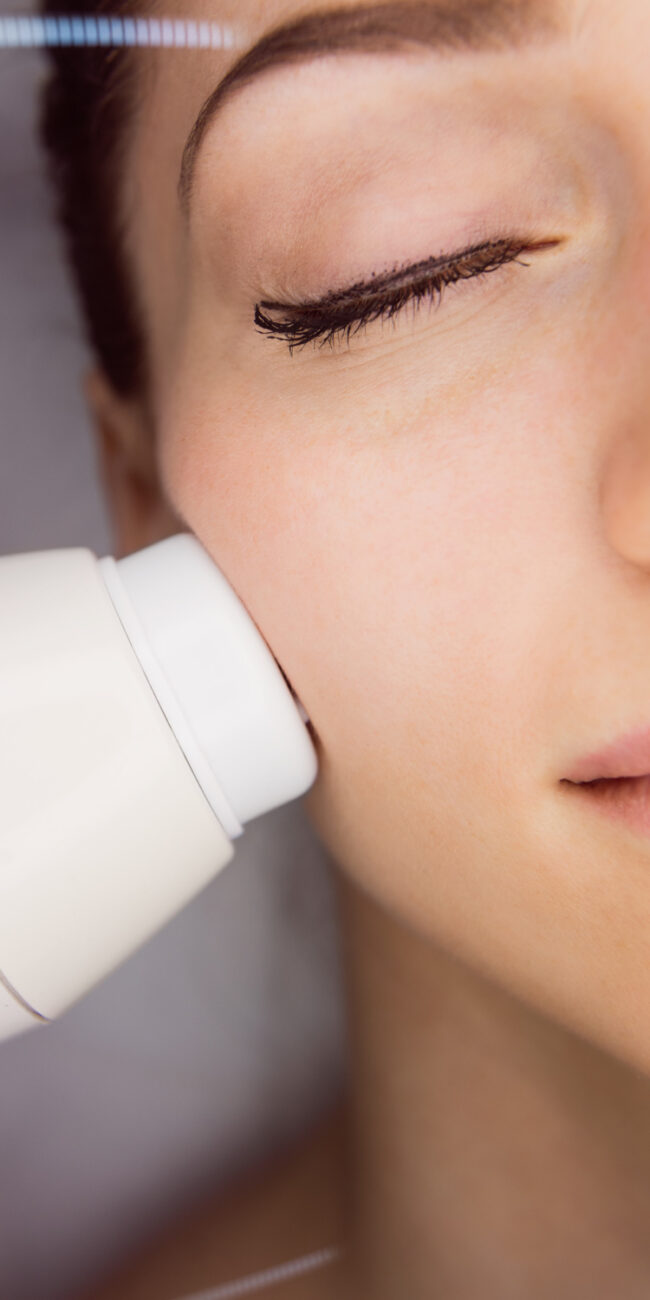
The Aurora 300 is an aesthetic medicine device that uses two types of plasma: cold and warm. It is neither a laser nor IPL technology. Plasma is created through the ionization of gas and can affect the skin without the use of a traditional laser beam.
Cold plasma is primarily used in the treatment of active acne. It can help reduce the microorganisms associated with acne lesions, alleviate local inflammation, and support regenerative processes. The technology can also temporarily increase the skin’s permeability, allowing it to be incorporated into professional treatment protocols using appropriately selected products.
Warm plasma produces a controlled thermal effect and is primarily used in procedures aimed at regeneration, skin tightening, and the treatment of specific irregularities and scars. This does not mean that both modes are used during every treatment. The parameters and type of plasma are selected based on the current condition of the skin and the goal of the therapy.
Acne Treatment in Warsaw - Price List
Acne Treatment – Morpheus8 Microneedle Radiofrequency
- Face – 1,500 PLN
- Face and neck – 1,900 PLN
- Cheeks – 1,100 PLN
Rosacea Treatment – Optimas Lumecca 515 IPL
Broadband light.
- Face – 1,100 PLN
- Face + neck – 1,500 PLN
- Small area (nose) – 400 PLN
Are you thinking about choosing a service?
We can help you
We’re open 7 days a week!
Acne Diagnosis and Dermatological Consultation Before the Procedure
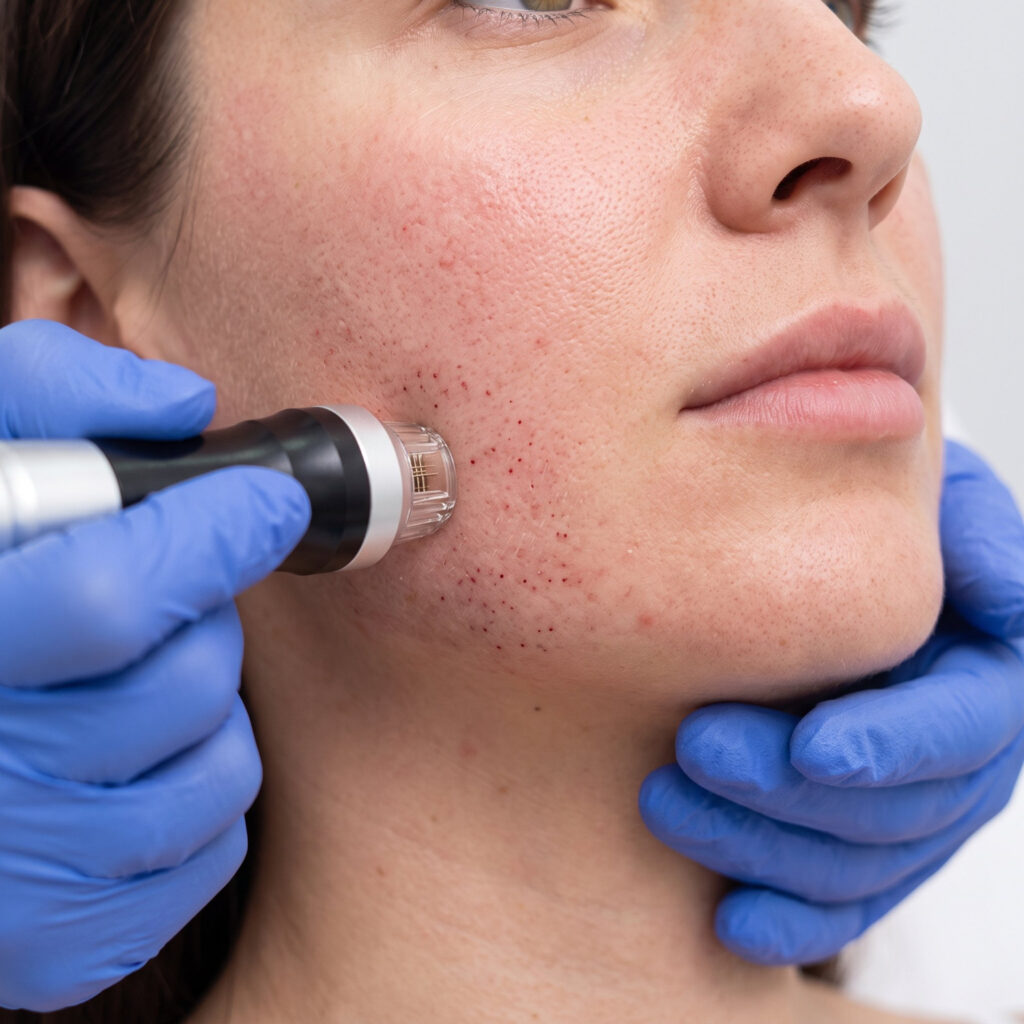
During the consultation, the doctor assesses the type, depth, and distribution of the lesions, as well as the presence of seborrhea, erythema, hyperpigmentation, and scars. The doctor reviews the patient’s previous treatment, medications and supplements taken, daily skincare routine, and any prior procedures.
Laboratory tests are not necessary for every patient. They may be recommended if hormonal disorders are suspected, before starting a specific course of medication, or in cases of an atypical disease progression. The consultation also allows the doctor to determine whether the patient’s skin is suitable for Aurora 300 therapy and to select the appropriate device setting.
How does the Aurora 300 acne treatment work?
Before the procedure begins, the skin is thoroughly cleansed, and a specialist assesses the current condition of the skin and checks for any new contraindications. Next, the selected area is treated with the appropriate device head.
During cold plasma therapy, the patient may feel a slight tingling sensation or warmth. The treatment does not require any injections. After the procedure, the skin may be temporarily red or more sensitive. The exact duration of the procedure depends on the size of the treated area.
How many Aurora 300 treatments are needed?
Treatment for active acne is typically a process, so a series of sessions may be scheduled instead of a single treatment. The number of sessions depends on the type of lesions, their extent, the skin’s response, and whether topical or oral medication is being used concurrently.
After the first few treatments, the skin’s tolerance is assessed, and changes in the number of active lesions are evaluated. Based on this, the specialist decides whether to continue the series, adjust the frequency of treatments, or combine Aurora 300 with another method.
Dermatologists and aesthetic medicine specialists at Carelife Clinic
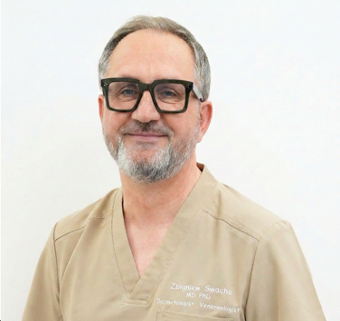


Patients are cared for by doctors specializing in dermatology and aesthetic medicine. These specialists assess the severity of the acne, the condition of the skin barrier, previous treatments, and the presence of acne scars. Based on this assessment, they select medication, skincare regimens, Aurora 300 treatments, or procedures designed to reduce scars and hyperpigmentation. This ensures the proper sequence of treatment and allows the technology to be tailored to the skin’s current needs.
Acne Treatment in Warsaw’s Ochota District – Aurora 300 at CareLife Clinic
CareLife Clinic is located at 3 Józefa Siemieńskiego Street in Warsaw’s Ochota district. We offer treatment for active acne using the Aurora 300 device, as well as consultations to help you choose the right skincare routine, dermatological treatments, and aesthetic medicine procedures.
All in one clinic, you can undergo an assessment of active lesions, cold plasma therapy, and treatment to reduce hyperpigmentation, redness, enlarged pores, and scars. Free parking is available for patients right next to the clinic.
Teenage Acne and Adult Acne
Teenage acne is usually associated with increased sebaceous gland activity during puberty. Lesions most commonly appear on the forehead, nose, cheeks, chin, back, and chest. Starting treatment early enough helps prevent permanent discoloration and scarring.
Adult acne may persist from adolescence or appear after the age of 25. It often affects the chin, the area around the mouth, and the jawline. Treatment may combine dermatological management with procedures that reduce active lesions and improve skin tone and texture.
Hormonal Acne in Women
Lesions that may be hormone-related often concentrate on the chin and along the jawline. They may worsen before menstruation and co-occur with irregular cycles, excessive hair growth, hair loss, or other symptoms of hormonal imbalances.
In such cases, a doctor may recommend additional tests and a gynecological or endocrinological consultation. Aurora 300 can support the treatment of visible skin lesions, but it does not replace the diagnosis and treatment of the underlying hormonal cause.
Comedonal, papulopustular, and inflammatory acne
Comedonal acne causes the formation of closed and open comedones, an uneven skin surface, and visible sebaceous gland openings. In the papulopustular form, red, raised lesions and pustules containing pus appear.
Lumps, cysts, and deep infiltrates indicate a more severe inflammatory process. Such lesions should not be punctured or squeezed on your own. First and foremost, the inflammation must be brought under control; treatments for the remaining scars are performed once the skin has stabilized.
Acne on the face, back, arms, and décolletage
Lesions may appear on the face, back, shoulders, neck, chest, and décolletage. The skin on these areas of the body is thicker, so breakouts tend to be deeper and more likely to leave discoloration or scars.
When planning treatment, we take into account the extent of the lesions as well as factors such as sweat, tight clothing, exercise, carrying a backpack, or using heavy-duty body care products. The Aurora 300 allows us to treat not only the face but also specific areas affected by acne.
Acne Vulgaris vs. Rosacea
Acne vulgaris and rosacea are two distinct conditions. Acne vulgaris is characterized by blackheads, seborrhea, papules, and pustules. Rosacea more commonly causes episodic redness, persistent erythema, a burning sensation, visible blood vessels, and inflammatory lesions without blackheads.
Distinguishing between different skin issues is important for selecting the appropriate Aurora 300 settings, skincare routines, and additional treatments. Skin prone to broken capillaries and sensitivity requires a gentler approach than oily skin with numerous blackheads.
The Most Common Causes of Acne
The development of acne is influenced by genetic predisposition, hormones, excessive sebum production, keratinization disorders, and localized inflammation. The problem can also be exacerbated by certain medications and supplements, chronic stress, improper skincare, and heavy, comedogenic cosmetics.
Acne rarely has just one cause. Therefore, treatment should not be limited to skin cleansing or a single procedure. The best results come from a planned combination of skincare, dermatological treatment, and aesthetic medicine procedures.
Topical Acne Treatment
A dermatologist may prescribe retinoids, benzoyl peroxide, azelaic acid, topical antibiotics, or formulations combining several active ingredients. The type of treatment depends on whether blackheads or inflammatory lesions predominate, as well as on the skin’s sensitivity.
Products should be used as directed. Too frequent application may cause a burning sensation, flaking, and disruption of the hydrolipid barrier. Before undergoing the Aurora 300 treatment, inform your specialist about all medications, acids, and retinoids you are using.
Oral Acne Treatment
For moderate, severe, extensive, or scarring acne, a doctor may consider oral antibiotic therapy or isotretinoin. Treatment requires qualification, monitoring, and—for certain medications—the completion of prescribed tests.
Do not start medication on your own. During oral treatment, the possibility of undergoing Aurora 300, chemical peels, or other procedures is assessed on a case-by-case basis. Some therapies increase skin sensitivity and may require temporarily avoiding more intensive treatments.
Hormonal Treatment for Acne
Hormonal treatment may be used in selected women, particularly when lesions worsen cyclically or are accompanied by other symptoms of hormonal disorders. The decision is made by a doctor after ruling out any contraindications.
Aurora 300 therapy can help address visible skin changes during this time, but it does not eliminate the hormonal cause of the problem. Therefore, in appropriate cases, the treatment plan combines dermatological, gynecological, or endocrinological care with aesthetic medicine procedures.
Medical peels and treatments to support acne therapy
In the treatment of acne-prone skin, peels containing salicylic, azelaic, mandelic, or glycolic acid may be used. They help regulate keratinization, reduce blackheads, decrease seborrhea, and gradually lighten superficial hyperpigmentation.
A peel can be performed as a standalone procedure or as part of a broader treatment plan that includes the Aurora 300. The type of acid, concentration, and intervals between treatments are selected based on the severity of the acne and the medications being used. The procedures are not performed on severely irritated or damaged skin.
Laser Therapy for the Treatment of Acne and Acne Scars
The Aurora 300 uses plasma, so it is not a laser treatment. Laser therapy constitutes a separate group of procedures and is used primarily in the next stage of treatment—for persistent hyperpigmentation, erythema, enlarged pores, and scars.
The fractional CO2 laser is primarily used to improve uneven skin texture. Ablative treatments are generally not performed in cases of numerous active pustules and purulent lesions. First, the inflammation must be reduced, including through dermatological treatment and appropriately selected supportive therapies.
Treatment of Acne Scars
Acne scars can take the form of narrow, ice-pick-type indentations, well-defined boxcar scars, or wider, rolling-type irregularities. Each type requires a different method and depth of treatment.
Once active acne has subsided, treatments such as Aurora 300 warm plasma, fractional CO2 laser, Morpheus8 microneedle radiofrequency, PRP, or combination therapy can be used. The goal is to gradually remodel the skin and smooth out the unevenness. Complete removal of deep scars is not always possible.
Treatment of Post-Acne Hyperpigmentation
Acne lesions may leave behind red post-inflammatory marks, brown pigmentation, or actual indentations. These are not the same issues, so they should not be treated with a single, randomly chosen method.
For hyperpigmentation, treatments include depigmentation therapy, peels, plasma therapy, IPL Lumecca, or laser therapy. Persistent erythema may require a vascular treatment, while scars may require deeper skin remodeling. Regardless of the procedure chosen, daily SPF 50 protection is essential.
At-Home Skincare for Acne-Prone Skin
The foundation of this regimen is gentle cleansing in the morning and evening, a lightweight moisturizer that supports the hydrolipid barrier, and a cream with high sun protection. Skincare products should be compatible with the medications and treatments performed at the clinic.
It’s not a good idea to use several acids, a retinoid, a strong cleanser, and a mechanical exfoliant all at the same time. This combination can irritate the skin and make treatment more difficult. You can bring a list of the skincare products you’re using or photos of them to your appointment.
What should you avoid if you have acne?
Do not squeeze or puncture lesions, as this increases the risk of hyperpigmentation and permanent scarring. Also avoid harsh granular scrubs, intense exfoliating brushes, frequent degreasing of the skin with alcohol, and applying heavy products to active lesions.
Before undergoing Aurora 300 therapy, a chemical peel, or laser treatment, you must inform your specialist about any retinoids, antibiotics, or exfoliating products you are using, as well as any previous skin reactions. This allows for proper planning of the intervals between at-home treatments and in-office procedures.
Diet, Stress, and Makeup and Acne Flare-Ups
In some patients, acne lesions may worsen with a high-glycemic-load diet, consumption of large amounts of certain dairy products, or use of specific supplements. However, this does not mean that everyone with acne should eliminate dairy or gluten from their diet.
Stress and lack of sleep can also affect the severity of breakouts. Makeup is allowed as long as the products are lightweight, non-comedogenic, and thoroughly removed in the evening. Brushes and sponges should be washed regularly to prevent the buildup of sebum, makeup residue, and microorganisms.
How long does acne treatment take?
Improvement usually doesn’t occur after just a few days. The first signs of improvement may be noticeable after a few weeks, while a more comprehensive assessment of the effectiveness of dermatological treatment is often conducted after about 8–12 weeks of consistently following the recommendations.
For moderate, severe, or recurrent acne, treatment may last several months. A separate phase consists of a series of Aurora 300 treatments followed by therapy for hyperpigmentation and scars. Follow-up visits allow the treatment plan to be adjusted based on the skin’s current response.
How can you prevent acne flare-ups?
Once the lesions have subsided, your doctor may recommend a skincare regimen or maintenance treatment to reduce the recurrence of blackheads. Consistency, sun protection, and avoiding mechanical cleansing of active lesions are important.
At the first signs of a recurrence, it’s advisable to consult a specialist promptly. Early initiation of topical treatment or a supportive procedure can limit the development of further inflammation and the formation of new scars.
Results of Acne Treatment
The goal of treatment is to reduce the number of blackheads and inflammatory lesions, limit seborrhea, shorten the healing time of lesions, and prevent the formation of new scars. The skin can gradually regain a more even tone and a smoother texture.
The Aurora 300 can help reduce active lesions and promote skin regeneration; however, the results depend on the type of acne and on combining the treatments with a skincare regimen and, if necessary, dermatological treatment. Scars and hyperpigmentation require a separate treatment plan to be implemented once the inflammation has been brought under control.
Acne Treatment in Warsaw's Ochota District - FAQ
Below, we answer the most common questions about how cold and hot plasma work, eligibility for the procedure, and combining the Aurora 300 with dermatological treatment.
Is the Aurora 300 a laser?
No. The Aurora 300 uses cold and hot plasma, not a laser beam or IPL light. The type of plasma and treatment parameters are tailored to the specific skin concern and skin condition.
Does Aurora 300 help with active acne?
Cold plasma may help reduce acne-related bacteria, alleviate local inflammation, and promote skin regeneration. The treatment can be part of a therapy regimen, but in cases of severe acne, it does not always replace dermatological treatment.
Is the Aurora 300 treatment painful?
Cold plasma therapy does not require any injections. The patient may feel a slight tingling sensation, warmth, or mild discomfort. These sensations depend on the area being treated and the parameters used.
Can you return to work after the treatment?
After a cold plasma treatment, the skin may be temporarily red or more sensitive, but this usually does not require a long break from daily activities. Recovery after a more intensive hot plasma treatment may be different.
Can the Aurora 300 treatment be combined with chemical peels and acne medications?
This combination is possible, but requires careful planning of the order and timing of the procedures. Retinoids, strong acids, and oral medications that increase skin sensitivity require special caution.
Does the Aurora 300 remove acne scars?
The device can be used to treat specific marks and irregularities, but deep scars often require combination therapy. Depending on the type of scars, the treatment plan may also include a fractional CO2 laser, microneedle radiofrequency, or other skin-remodeling procedures.