


Polysomnography and Sleep Polygraphy in Warsaw
Loud snoring, noticeable pauses in breathing, morning headaches, lack of sleep, and daytime sleepiness may indicate sleep apnea. At CareLife Clinic, we offer two types of at-home tests. Polygraphy primarily records breathing, oxygen saturation, heart rate, snoring, and body position, while polysomnography additionally includes, among other things, EEG, EOG, and EMG, which also allow us to assess sleep stages and structure.
+340 Satisfied Patients
+12 Specialists on the team
+2,400 Procedures per year
+15 Years of experience
Polysomnography and sleep polygraphy in Warsaw
Polysomnography and polysomnographic testing are used to diagnose sleep apnea and other sleep-related disorders. They help determine whether shallow breathing or breathing pauses occur at night, along with decreased oxygen saturation, increased heart rate, and repeated awakenings. This test is worth considering in cases of loud snoring, observed pauses in breathing, morning headaches, lack of sleep, and excessive daytime sleepiness, among other symptoms.
CareLife Clinic offers two options for at-home testing. The patient picks up the polysomnography device at the clinic and, after receiving training, attaches the sensors themselves before going to sleep. For polysomnography, a clinical consultant visits the patient’s home, connects a more sophisticated monitoring system, explains how it works, and picks up the device the next day. This allows the data to be recorded during a typical night’s sleep, without the need for a hospital stay.
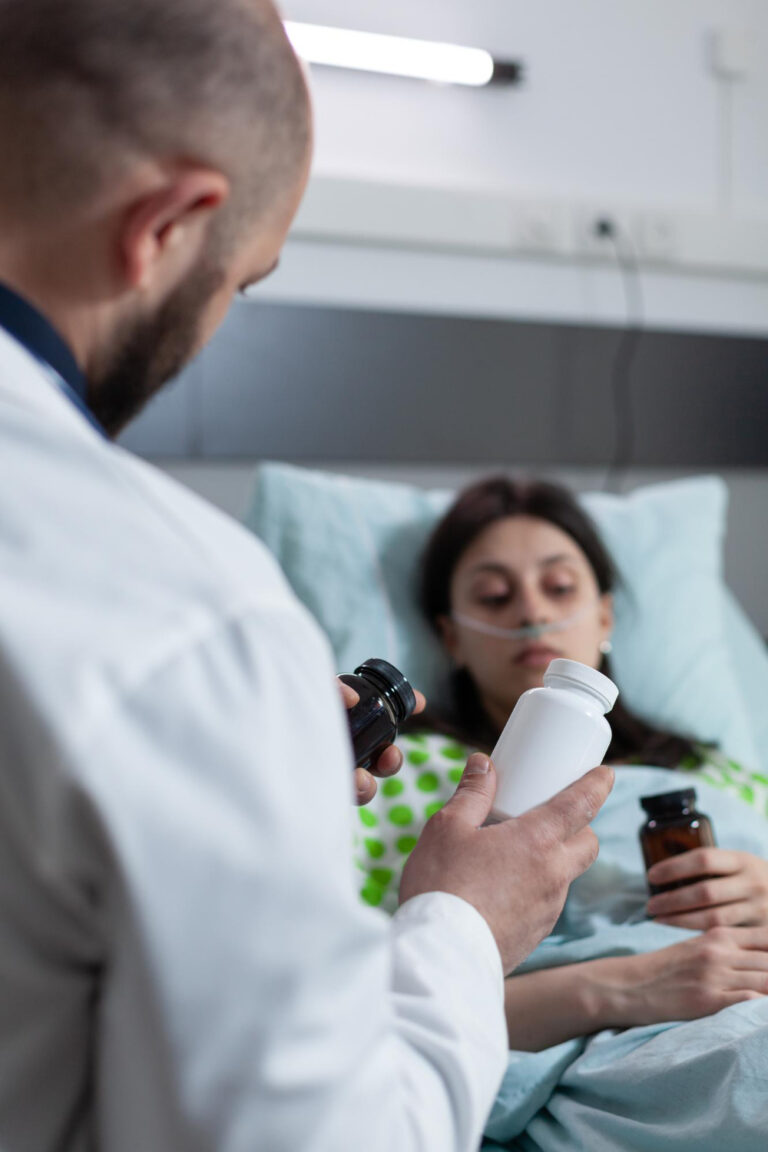
What are sleep studies?
Sleep studies involve recording parameters related to breathing, heart function, and the body’s responses overnight. The scope of these studies depends on the method chosen. Polysomnography focuses primarily on breathing disorders, while polysomnography also allows for the assessment of brain activity, eye movements, muscle tone, and specific sleep stages.
The test is not merely about checking whether the patient snores. The recording makes it possible to determine the number of apneas and hypopneas, the frequency of oxygen desaturation episodes, and the relationship between breathing disturbances and body position. Polysomnography also allows for the assessment of actual sleep duration, continuity, and structure. The results form the basis for diagnosing the problem and planning further management. Polysomnography remains the standard diagnostic test for suspected obstructive sleep apnea, while home sleep monitoring may be used in appropriately qualified patients.
At CARELIFE CLINIC, consultations regarding sleep problems are conducted by:
It is advisable to discuss the results of a polygraph or polysomnography test with a specialist, who will evaluate the findings in light of your symptoms, medical history, and medications. A consultation helps determine whether the diagnosed disorders require treatment and whether additional pulmonary, ENT, cardiological, or metabolic testing is needed.
At CareLife Clinic, patients can receive care from specialists and obtain recommendations for further management. The scope of treatment is tailored to each individual—ranging from lifestyle modifications and weight loss to qualification for PAP therapy or consultations in other medical fields.
When is it a good idea to undergo a sleep study?
A sleep study is recommended when a good night’s rest does not lead to recovery or when a loved one notices concerning changes in the patient’s breathing pattern. Loud, irregular snoring followed by periods of silence ending with a sudden gasp for air requires special attention.
Diagnostic testing should also be considered in cases of:
- recurring pauses in breathing during sleep,
- waking up with a feeling of shortness of breath or heart palpitations,
- frequent urination at night,
- morning dry mouth and headache,
- chronic fatigue despite getting enough sleep,
- problems with memory, concentration, and maintaining attention,
- falling asleep while reading, watching TV, working, or driving,
- high blood pressure that is difficult to control,
- recurrences of atrial fibrillation or other conditions that increase the risk of sleep apnea.
A single symptom is not sufficient to establish a diagnosis. Only by recording sleep parameters can one determine whether there are disorders requiring treatment.

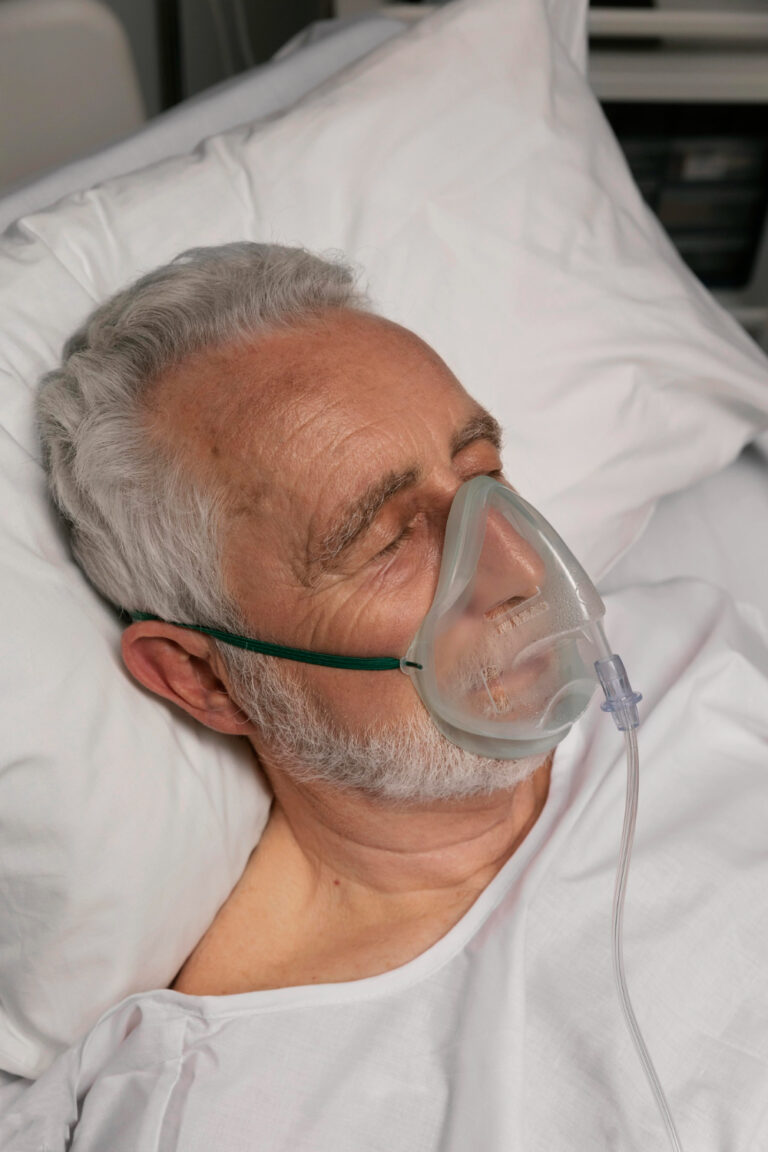
We’re open 7 days a week!
Symptoms of Sleep Apnea
The symptoms of sleep apnea can be divided into those that occur at night and those experienced upon waking and during the day. Patients often do not remember these brief awakenings, so the first person to notice the problem is usually a partner or another household member.
Nighttime symptoms primarily include loud and irregular snoring, pauses in breathing, gasping for air, restless sleep, excessive sweating, frequent changes in sleeping position, and waking up feeling short of breath. Heart palpitations, the urge to urinate, and difficulty falling back asleep may also occur.
During the day, apnea can cause morning headaches, dry mouth, a feeling of not having slept well, irritability, decreased concentration, and excessive sleepiness. Short, uncontrolled episodes of falling asleep while driving or operating machinery are particularly dangerous.
Polysomnography and Sleep Polygraphy in Warsaw - Price List
Polysomnography (PSG)
Polygraphy is a simplified, at-home sleep test used primarily to diagnose obstructive sleep apnea. It records, among other things, airflow, respiratory movements, oxygen saturation, heart rate, snoring, and body position.
The patient picks up the device at CareLife Clinic and receives instructions on how to properly set it up and use it. The patient performs the test independently while sleeping at home overnight and then returns the device to the clinic. The recording is sent for analysis and interpretation.
Price of polysomnography: 500 PLN.
Polysomnography (PSG) at the patient’s home
Polysomnography is a comprehensive test that evaluates breathing, heart function, and the progression of individual sleep stages. In addition to airflow, respiratory movements, oxygen saturation, and heart rate, the following are also recorded:
- EEG—an electroencephalogram, which is a recording of the brain’s electrical activity, enabling the identification of sleep phases and periods of wakefulness;
- EMG – electromyogram, which records muscle tension and activity, including movements that may indicate periodic limb movement disorder;
- EOG – electrooculogram, a recording of eye movements that helps identify, among other things, the REM phase.
At CareLife Clinic, polysomnography is performed at the patient’s home. In the evening, a clinical consultant arrives at the specified address, attaches the sensors and monitoring devices, checks the signal quality, and explains how to start the recording. The patient goes about their usual evening routine and sleeps in their own bed. In the morning, the consultant picks up the equipment, and the recording from the entire night is sent for analysis.
The price of at-home polysomnography, including the clinical consultant’s services: 1,700 PLN.
Are you thinking about choosing a service?
We can help you
We’re open 7 days a week!
Polysomnography and Sleep Polygraphy in Warsaw’s Ochota District—Exams at CareLife Clinic
CareLife Clinic is located at 3 Józefa Siemieńskiego Street in Warsaw’s Ochota district. Patients undergoing polygraphy can pick up the device at the clinic and, after receiving instructions, take it home. For polysomnography, the service includes a clinical consultant visiting the specified address, setting up the equipment for overnight monitoring, and picking up the equipment the next day.
The clinic’s location offers convenient access from Ochota, Wola, Śródmieście, Mokotów, and other districts of Warsaw. Free private parking is available on-site behind a barrier, with 30 spaces.
Snoring and Sleep Apnea
Snoring occurs as a result of the vibration of tissues in the upper airways during airflow. Not all snoring indicates sleep apnea. Regular, rhythmic snoring without drops in oxygen saturation or pauses in breathing may be benign, although it should still be evaluated if it is very severe or has appeared suddenly.
Suspicion of apnea increases when snoring is loud and irregular, with periods of silence between successive sounds. Such pauses are often followed by a sudden snort, choking, or a deep breath. This may be accompanied by drops in blood oxygen levels and brief awakenings that disrupt the continuity of sleep.
Audio recordings and mobile apps alone are not sufficient to diagnose sleep apnea. They can draw attention to the problem, but they do not measure the full set of parameters needed to make a diagnosis.
Sleep polygraphy—a basic test of breathing during sleep
Polysomnography is a simplified at-home test designed to detect sleep-related breathing disorders, primarily obstructive sleep apnea. The device records airflow through the nose, chest and abdominal movements, oxygen saturation, heart rate, snoring, and body position. The exact set of channels depends on the device used.
Polysomnography does not record brain waves; therefore, it does not directly determine the moment of falling asleep or the specific stages of sleep. The number of respiratory events is usually related to the time of recording, rather than to the actual time spent sleeping. In a person who had difficulty falling asleep, this may lead to an underestimation of the severity of the disorder.
The test is most effective for adults with clear symptoms of apnea who do not have complex comorbidities. If the result is negative or inconclusive, but clinical suspicion remains high, the doctor may recommend a full polysomnography.
Polysomnography — A Comprehensive Sleep Study
Polysomnography is a comprehensive, multichannel test that simultaneously assesses breathing and the physiological structure of sleep. In addition to airflow, respiratory movements, oxygen saturation, and heart rate, it records brain activity, eye movements, and muscle tone. Depending on the configuration of the equipment, the recording may also include limb movements, body position, snoring, and heart function.
An EEG can determine when a patient actually fell asleep and how long they remained in each sleep stage. EOG helps identify the REM phase, while EMG allows for the assessment of muscle tone and specific abnormal movements. This makes it possible to calculate the number of respiratory events per hour of actual sleep, rather than just the time spent in bed.
Polysomnography may be recommended in cases of ambiguous polygraph results, suspected other sleep disorders, or conditions for which a simpler at-home test may not provide sufficient data.
Sleep Study at the Patient’s Home
A home sleep study allows sleep to be recorded in a familiar environment, in the patient’s own bed, and under conditions similar to those of daily rest. The patient does not have to spend the night in a hospital or clinic. However, they should follow the instructions for attaching the sensors and starting the recording, as the quality of the data depends, among other things, on the correct placement of the nasal cannula, pulse oximeter, and respiratory belts.
The organization of the test depends on the chosen method:
- For polysomnography, the patient picks up the device at CareLife Clinic, receives instructions, and sets it up on their own before going to sleep;
- For polysomnography, a clinical consultant visits the patient’s home, connects the sensors, explains how to use the device, and picks up the equipment in the morning.
The test should cover a typical night. If the patient works shifts, sleeps at unusual hours, or anticipates that they won’t be able to fall asleep on a specific day, it’s a good idea to provide this information when scheduling the appointment.
Does the sleep study interfere with sleep?
The sensors may initially cause some discomfort, but they are positioned so that the patient can lie in a natural position and move around while sleeping. Polysomnography uses fewer components, so it is usually easier to set up on your own. Polysomnography requires a greater number of electrodes and wires, but attaching them should not cause pain.
You don’t need to sleep through a perfect, uninterrupted night for the test to be valuable. It may take longer to fall asleep, you may wake up briefly, or you may feel like your sleep is lighter on the first night with the equipment. The most important thing is to obtain a sufficiently long, high-quality recording.
If key sensors become disconnected or the recording period is too short, the result may be insufficient, and the test will need to be repeated.
Who analyzes the test results?
The sleep study recording should be evaluated by a physician qualified to diagnose sleep-related breathing disorders. The analysis is not limited to an automatically generated summary. The specialist reviews the raw data, the quality of individual channels, the accuracy of event labeling, and how changes correlate with body position or sleep stage.
The interpretation should also take into account symptoms, comorbidities, medications being taken, and the reason for the test. The same event index may have a different meaning in a patient without symptoms than in a person with excessive daytime sleepiness, refractory hypertension, or heart disease.
The AASM emphasizes that diagnoses and treatment decisions should not be based solely on the automated analysis provided by a home sleep study device.
What does a sleep study result mean?
One of the most important parameters is the AHI, or the number of apneas and hypopneas per hour of sleep. In a study without EEG measurement, the REI index may be used, which relates the number of events to the recording time. In adults, the AHI result is typically interpreted as follows:
- fewer than 5 events per hour—within the accepted normal range,
- 5–14.9 – mild apnea severity,
- 15–29.9 – moderate severity,
- 30 or more—severe apnea.
The report may also include: minimum and average oxygen saturation, the oxygen desaturation index (ODI), time with SpO2 below 90%, snoring severity, and the number of events while sleeping on the back and on the side. Polysomnography also provides data on sleep duration and efficiency, sleep stages, and awakenings.
The results should not be interpreted based solely on a single value. The entire recording and the patient’s overall health are important.
What happens next after a diagnosis of sleep apnea?
Once the results are received, the next step is a consultation during which the doctor reviews the test results in light of the patient’s symptoms and information about any comorbid conditions. The doctor assesses the severity of the apnea, the depth of the drops in oxygen saturation, the position in which the most events occur, and the impact of the problem on the patient’s functioning.
Depending on the results, further management may include:
- selection of positive airway pressure therapy,
- a consultation with an ENT specialist,
- evaluation of the feasibility of using an intraoral device,
- cardiological or pulmonological evaluation,
- weight loss for those who are overweight or obese,
- postural therapy,
- treatment of nasal obstruction,
- follow-up sleep study after treatment begins.
A normal polysomnography result does not always conclude the diagnostic process. If symptoms remain severe, the doctor may recommend a polysomnography or expand the testing to include other possible causes of fatigue and sleepiness.
Treatment of sleep apnea following testing
The treatment method is selected based on the type and severity of apnea, symptoms, airway anatomy, and comorbidities. PAP devices are most commonly used. CPAP maintains a constant positive pressure that prevents the upper airway from collapsing. Depending on the indications, APAP devices, which automatically adjust the pressure, or BPAP devices, which provide different pressures during inhalation and exhalation, may also be used.
For some patients, individually customized mandibular advancement devices, otolaryngological treatment, positional therapy, or surgical intervention may be considered. Important measures may include weight loss, reducing alcohol consumption, quitting smoking, and changing medications that exacerbate breathing disorders—but only after consulting a doctor.
Not every method will be suitable for every patient. The type of treatment should be based on a sleep study and medical evaluation.
Polysomnography and Sleep Polygraphy in Warsaw – FAQ
Below you will find answers to the most frequently asked questions about polysomnography, sleep quality consultations, and what to expect during a visit with a specialist at Carelife Clinic in Warsaw.
Which test should you choose: a polygraph or a polysomnogram?
Polysomnography may be the first test performed in an adult with typical symptoms of obstructive sleep apnea: loud snoring, observable pauses in breathing, excessive daytime sleepiness, and hypertension. It is a simpler and less expensive option, yet it allows for the collection of data necessary to diagnose many cases of apnea.
Polysomnography is more accurate and may be the appropriate choice when:
- the polygraph test yielded a negative or inconclusive result despite persistent symptoms,
- the polygraph recording was too short or technically flawed,
- other sleep disorders are suspected,
- the patient suffers from severe insomnia,
- there are significant heart, lung, or nervous system diseases,
- chronic opioid use is present,
- central apnea or hypoventilation during sleep is suspected.
The final decision should take into account symptoms, medical history, and the purpose of the diagnosis. AASM guidelines recommend polysomnography following a negative, inconclusive, or technically inadequate home sleep study if apnea is still suspected.
How is a sleep polygraph test conducted?
The patient visits CareLife Clinic to pick up a portable device and receives instructions. The patient is provided with information on sensor placement, how to start recording, and how to verify that all components are properly connected. The kit may include a cannula placed under the nose, a finger pulse oximeter, and belts that record chest and abdominal movements.
Before going to sleep, the patient puts on the device according to the instructions, starts the recording, and sleeps in their own bed. In the morning, the patient stops the recording, removes the sensors, and returns the device to the clinic. The data is then read and analyzed.
If a single sensor becomes disconnected during the night, follow the provided instructions and reattach it. If key signals are lost, the test may need to be repeated.
How is a polysomnography test performed?
On the scheduled date, the clinical consultant arrives at the patient’s home with the necessary equipment. They place EEG electrodes on the scalp, EOG sensors near the eyes, and EMG electrodes on the chin or other designated areas. Sensors are also attached to monitor breathing, oxygen saturation, heart rate, and other parameters specified in the test.
After connecting the equipment, the consultant checks the signal quality and explains how to start the overnight recording. The patient goes about their usual evening routine and sleeps in their own bed. The sensors are secured to minimize the risk of them shifting, while still allowing the patient to change positions during sleep.
What does a sleep polygraph test measure?
The range of measurements depends on the device model, but a typical polygraph records:
- airflow through the nose,
- respiratory movements of the chest and abdomen,
- oxygen saturation,
- heart rate,
- snoring,
- body position,
- recording duration.
Based on the collected data, the number of apneas and hypopneas, the frequency of desaturation episodes, and their relationship to the supine or lateral position are determined. The results may include, among other things, the REI index, the ODI desaturation index, the average and lowest oxygen saturation levels, and the duration during which the saturation level remained below a specified threshold.
Polysomnography does not record an EEG; therefore, it does not directly measure sleep duration or sleep stages. This limitation is taken into account when interpreting the results.
What does polysomnography measure?
Polysomnography combines the measurement of respiratory parameters with an assessment of nervous and muscular system function. The following may be recorded during the test:
- EEG —brain electrical activity, which helps identify sleep and its stages,
- EOG – eye movements, important, among other things, for identifying the REM phase,
- EMG – muscle tension, usually in the chin area, and in certain studies also in the limbs,
- airflow through the airways,
- chest and abdominal movements,
- oxygen saturation and heart rate,
- snoring and body position,
- cardiac function—depending on the kit used.
The recording allows for the calculation of actual sleep time, time to fall asleep, number of awakenings, the proportion of each sleep stage, sleep efficiency, and the AHI index. This makes it possible to determine not only how many events occurred, but also in which sleep stage and body position they were most severe.
How do you prepare for a sleep test?
On the day of the test, it is best to maintain your usual daily routine and sleep schedule as much as possible. You should not intentionally cut back on sleep the night before or engage in exceptionally intense physical activity just to make it easier to fall asleep during the test.
Before the test, you should:
- avoid alcohol, as it can worsen snoring and breathing disorders,
- do not take sleeping pills without first consulting your doctor,
- do not stop taking your regular medications on your own,
- limit caffeine in the afternoon if it makes it difficult to fall asleep,
- eat a light, regular dinner,
- prepare comfortable sleepwear,
- Wash and thoroughly dry your hair, and do not apply oils, hairspray, or gel before the polysomnography,
- report any infections, fever, skin changes, and medications you are taking.
People who use a CPAP machine or other respiratory support devices should determine in advance whether the test will be conducted with or without therapy.