


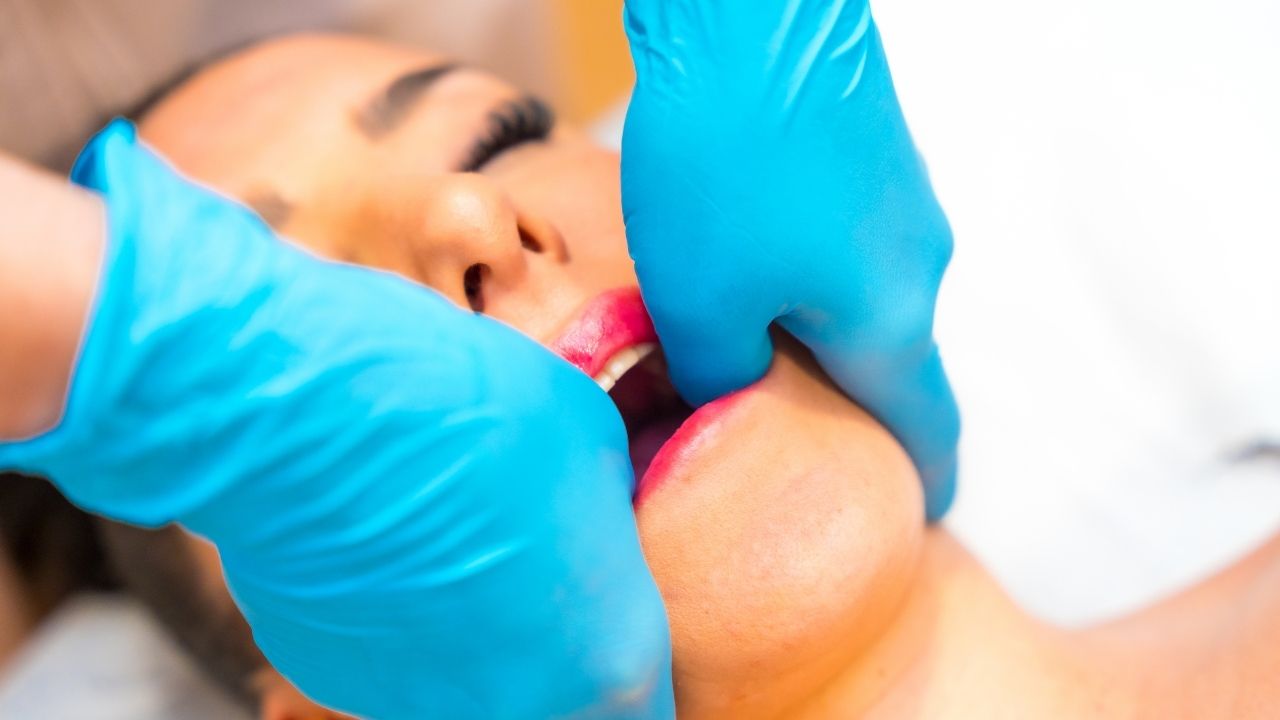
Do you happen to clench your teeth or creak them while sleeping? This can be a symptom of bruxism, a disorder that can often lead to headaches, damage to teeth and even temporomandibular joint dysfunction. While dental treatment is necessary to minimize the physical devastating impact of bruxism, it is often not sufficient to completely eradicate the problem. This is where the role of rehabilitation comes in – physiotherapy can play a key role in managing this condition. Are you curious how this is possible? Learn about the role of physiotherapy in the treatment of bruxism!
What is bruxism and why is it a problem?
Bruxism, also known as teeth grinding, is a condition that leads to uncontrollable clenching or grinding of the teeth, especially during sleep. This behavioral pattern can not only damage tooth enamel and lead to tooth destruction, but also plays a key role in causing headaches and temporomandibular joint dysfunction.
How physiotherapy helps treat bruxism
Physiotherapy is a key treatment for bruxism, especially in cases where it is triggered or aggravated by muscle tension. In this context, the role of physiotherapy in the treatment of bruxism includes a range of techniques that aim to relax muscles, reduce stress and improve overall sleep quality.
- Manual therapies: Techniques such as massage or joint mobilization can help reduce muscle tension, which helps relieve bruxism symptoms.
- Breathing exercises and relaxation techniques: Teaching patients relaxation techniques and proper breathing can help reduce stress levels, which are often associated with bruxism.
- Behavioral therapy: Often bruxism is caused by unconscious habits, such as biting nails or biting a pen. A physiotherapist can help the patient identify and change these habits.
Conclusions: The role of physiotherapy in the treatment of bruxism.
While bruxism may seem like an innocent habit, if left untreated it can lead to serious problems such as headaches, tooth damage or temporomandibular joint dysfunction. That is why comprehensive therapy, combining dental treatment with proper rehabilitation, is so important. The role of physiotherapy in the treatment of bruxism cannot be overestimated – it allows effective management of this condition, increases the patient’s comfort and prevents serious health complications.
