


Needle Mesotherapy in Warsaw
Needle mesotherapy involves administering small amounts of a preparation directly into the skin using a thin needle. Depending on the skin’s condition, preparations containing, among other things, non-crosslinked hyaluronic acid, amino acids, peptides, vitamins, or ingredients that support regeneration may be used. The treatment is performed on the face, neck, décolletage, eye area, hands, or scalp. It can improve skin hydration, elasticity, firmness, and tone, as well as reduce the appearance of fine lines. At CareLife Clinic in Warsaw’s Ochota district, we determine the type of formulation, treatment area, and number of sessions during a consultation.
+340 Satisfied Patients
+12 Specialists on the team
+2,400 Procedures per year
+15 Years of experience
Needle Mesotherapy in Warsaw
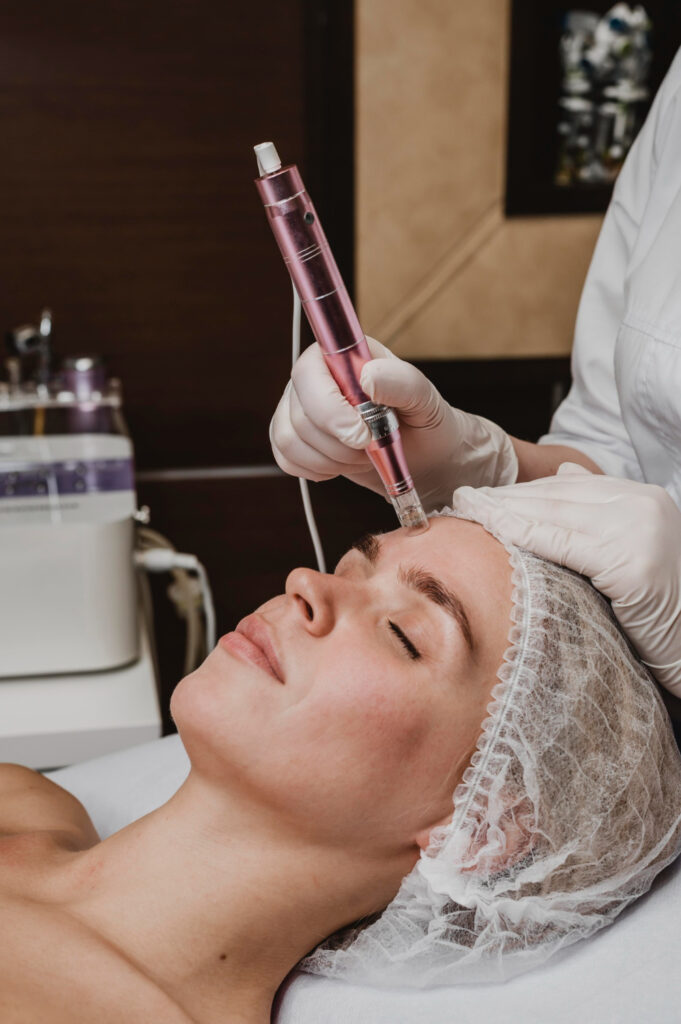
Needle mesotherapy allows for the administration of small doses of a carefully selected preparation directly into the skin. The treatment can be applied to the face, neck, décolletage, eye area, hands, scalp, or selected areas of the body. Its exact effects depend on the composition of the product used.
At CareLife Clinic in Warsaw, we select the type of formulation based on the specific issue, such as dehydration, loss of elasticity, fine lines, or uneven skin tone. Mesotherapy is not intended to increase facial volume. Its primary goal is to improve the quality and condition of the skin.
What is needle mesotherapy
at CARELIFE CLINIC?
Needle mesotherapy is an injection procedure that involves making a series of precise punctures and administering the formulation intradermally. Unlike topical cosmetics, the ingredients reach a depth tailored to the treated area and the product’s properties.
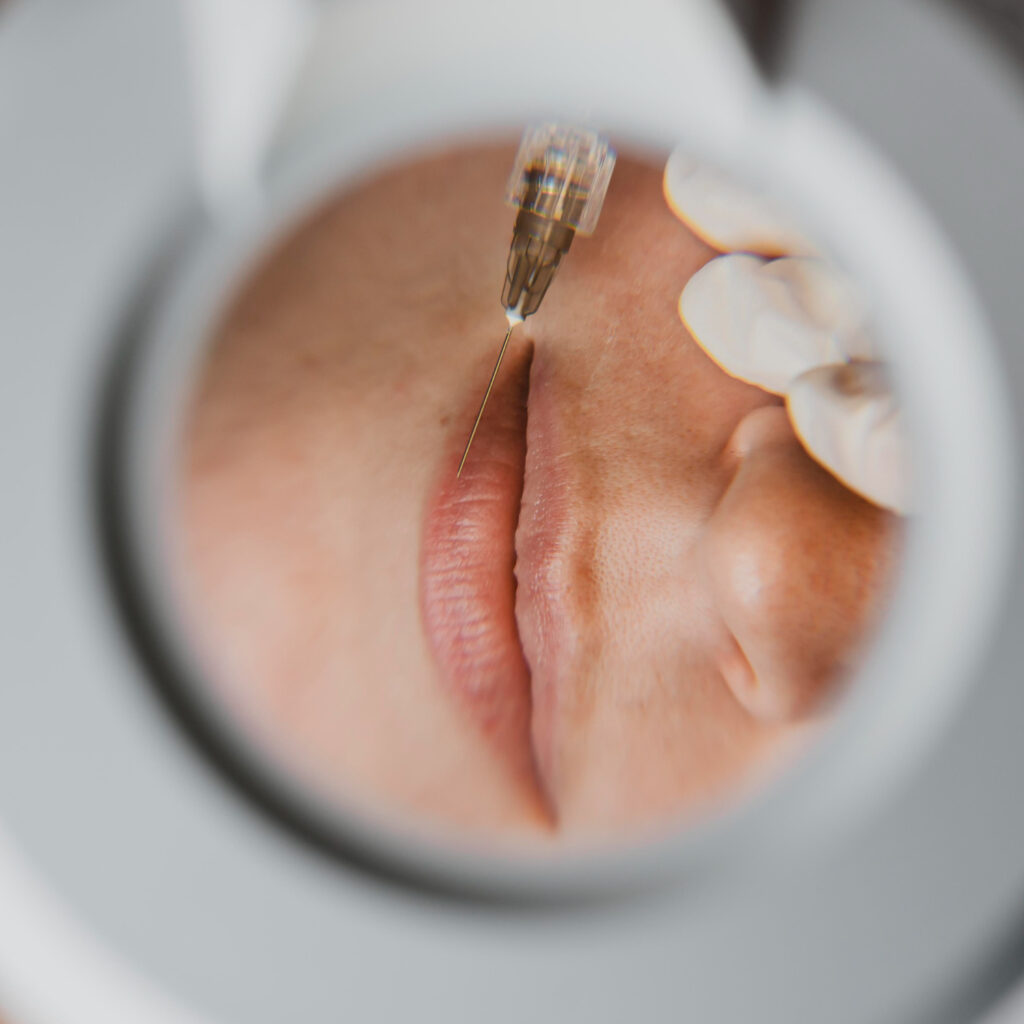
The formulation can be administered in the form of small deposits, using the spot method, or via the nappage technique, which involves numerous shallow punctures. The method of administration, the spacing between points, and the depth of the punctures are determined by the practitioner in accordance with the instructions for the specific product.
We’re open 7 days a week!
How does needle mesotherapy work on the skin?
The effects of mesotherapy result from a combination of two elements. The first is controlled puncturing of the skin, which triggers a local repair response. The second is the administration of ingredients tailored to the needs of the treated area.
Moisturizing formulations can bind water and improve skin elasticity. Products containing amino acids, peptides, or other biorevitalizing ingredients are used to support regenerative processes. The result therefore depends not only on the technique, but above all on the proper selection of the product, dosage, and number of sessions.
Who is needle mesotherapy for?
The treatment is suitable for adult women and men who have noticed dryness, a loss of radiance, reduced elasticity, or the first signs of skin aging. It can also be performed as a preventive measure before deep wrinkles and noticeable sagging appear.
Eligibility is not determined solely by age. For younger individuals, the goal may be intensive hydration, while for older patients, mesotherapy may be part of a broader treatment plan that includes tissue stimulators, microneedle radiofrequency, or laser therapy.
Needle Mesotherapy in Warsaw - Price List
Needle Mesotherapy
Tropocollagen, polynucleotides, and formulations based on non-crosslinked hyaluronic acid.
- Eye area – 900 PLN
- Face / neck – 1,100 PLN
- Face + neck – 1,800 PLN
- Scalp mesotherapy – 1,300 PLN
Are you thinking about choosing a service?
We can help you
We’re open 7 days a week!
Pre-treatment consultation and product selection
During the consultation, the specialist assesses the skin’s moisture levels, thickness, elasticity, tone, and sensitivity. The specialist also asks about your current skincare routine, previous treatments, allergies, chronic conditions, tendency to bruise, and any medications you are taking.
Based on this information, the type of preparation, treatment area, administration technique, and number of sessions are determined. The thin skin under the eyes requires a different product than dehydrated facial skin, which in turn differs from the hair-bearing scalp. The consultation also helps determine whether mesotherapy will be sufficient or if another procedure might yield better results.
Indications for needle mesotherapy
Mesotherapy may be considered for problems such as:
- – dehydrated, dry, and rough skin,
- – loss of elasticity and firmness,
- – a dull, uneven, or tired complexion,
- – fine lines,
- – signs of photoaging,
- – thin skin around the eyes,
- – deterioration of the skin on the neck, décolletage, and hands,
- – weak hair and excessive hair loss,
- – loss of skin firmness in specific areas of the body,
- – the need for regeneration after the skin has healed following other treatments.
Deep furrows, loss of volume, advanced sagging, or active inflammatory changes may require a different treatment method.
Doctors who perform needle mesotherapy at Carelife Clinic
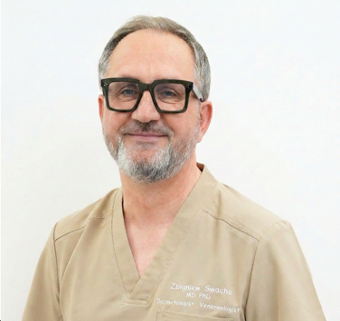


Treatments at CareLife Clinic are performed by doctors who assess the patient, select the appropriate product, and determine the correct administration technique. During the consultation, they take into account the condition of the skin, previous procedures, medications the patient is taking, and the expected outcome. The patient also receives information about possible post-treatment reactions and guidelines for caring for the treated area.
Needle Mesotherapy in Warsaw’s Ochota District — Treatment at CareLife Clinic
We perform needle mesotherapy treatments at CareLife Clinic, located at 3 Józefa Siemieńskiego Street in Warsaw’s Ochota district. Patients can use the free parking lot located next to the clinic.
Prior to the procedure, we conduct a consultation and skin assessment. We select the formulation based on the treatment area and the desired effect—hydration, revitalization, improved elasticity, or support for scalp therapy. The availability of other aesthetic medicine methods allows us to offer mesotherapy on its own or as part of a combined treatment plan.
Mesotherapy for the Face, Neck, and Décolletage
Facial mesotherapy is primarily intended to improve hydration, elasticity, and the overall condition of the skin. The treatment may cover the entire face or selected areas, such as the cheeks, forehead, jawline, or the area around the mouth.
The skin on the neck and décolletage is thin and prone to dryness, loss of firmness, and photoaging. Including these areas in the treatment helps ensure consistency in results between the face and the other visible areas. The amount of product used and the number of injections are correspondingly higher than when treating the face alone, which also affects the duration and cost of the procedure.
Mesotherapy for the Eye Area
The eye area requires a formulation designed for thin and delicate skin. Mesotherapy can improve hydration, reduce the appearance of fine lines, and minimize the appearance of a tired look.
However, the treatment does not remove fat deposits, pronounced swelling, or deep tear troughs. In such cases, a thorough assessment of the cause of the problem is necessary. An inappropriate product or one that binds water too strongly may exacerbate swelling, so a product for this area should not be chosen solely based on popularity.
Scalp Mesotherapy for Hair Loss
Scalp mesotherapy involves administering a solution to numerous points distributed throughout the area of thinning hair. The product’s composition may include amino acids, peptides, vitamins, or other substances intended for the treatment of the scalp.
Before beginning treatment, the cause of hair loss must be determined. The problem may result from, among other things, iron deficiency, thyroid disorders, hormonal changes, medications, stress, or a scalp condition. Mesotherapy is not a substitute for dermatological diagnosis and treatment of the underlying cause. It should also not be confused with PRP, which is a separate therapy that uses plasma prepared from the patient’s own blood.
Mesotherapy for the Hands and Selected Areas of the Body
On the hands, mesotherapy can improve the hydration and elasticity of skin exposed to UV radiation, detergents, cold, and frequent washing. The treatment may include the backs of the hands, where dryness, fine wrinkles, and a decline in skin quality are most commonly visible.
Depending on the product used, mesotherapy can also be performed on the abdomen, thighs, buttocks, or arms. For cellulite, stretch marks, and significant sagging, it is most often part of a combination therapy. The treatment itself does not replace fat reduction or procedures aimed at deeper tissue remodeling.
What formulations are used in needle mesotherapy?
Mesotherapy is not a single treatment always performed with the same product. The formulations differ in composition, concentration, consistency, intended use, and recommended administration schedule. They may contain, among other things:
- non-crosslinked hyaluronic acid,
- amino acids,
- peptides,
- vitamins and minerals,
- polynucleotides,
- antioxidant ingredients,
- substances intended for the scalp.
For injections, use sterile products intended for this route of administration. Not every cosmetic or preparation intended for topical use can be safely injected into the skin.
Hyaluronic acid, vitamins, and biorevitalizing cocktails
Non-cross-linked hyaluronic acid used in mesotherapy is primarily intended to improve skin hydration and elasticity. It does not work the same way as cross-linked hyaluronic acid, which is used to fill wrinkles or contour the face.
Amino acids can serve as building blocks for skin protein regeneration, while peptides act as signaling molecules. These mixtures may also contain vitamins, minerals, and antioxidants. A greater number of ingredients does not automatically mean better results—what matters most is the product’s intended use, its quality, and how well it addresses the patient’s specific issue.
Needle Mesotherapy vs. PRP, Tissue Stimulators, and Microneedle RF
In classic needle mesotherapy, a ready-made preparation containing selected active substances is administered. PRP, on the other hand, uses platelet-rich plasma prepared from the patient’s own blood. Although both procedures may be performed using a similar injection technique, they differ in the material used and their mechanism of action.
Tissue stimulators are designed to gradually remodel and improve skin density. Microneedle radiofrequency combines needling with the delivery of radiofrequency energy, which is why it also has a thermal effect on the tissues. Mesotherapy is more commonly chosen for dehydration and deterioration of skin condition, while the other methods may be more effective for treating sagging skin, scars, and the need for more intensive remodeling.
Mesotherapy as a complement to laser therapies
Once the skin has healed after laser therapy, mesotherapy can be used to improve hydration and support further regeneration. However, it should not be performed automatically immediately after every laser treatment.
The timing depends on the type of laser, the treatment parameters, and the skin’s response. After milder treatments, the interval may be shorter, whereas after ablative fractional CO2 laser treatment, it is necessary to wait for the epidermal barrier to rebuild. The order of procedures and the length of the interval are determined by the physician overseeing the treatment plan.
How should you prepare for needle mesotherapy?
Before your appointment, inform the specialist about any medications, supplements, allergies, and previous reactions to injection treatments. Do not stop taking anticoagulants or antiplatelet medications on your own.
The procedure must be rescheduled in the event of a fever, infection, active herpes, or inflammation at the planned injection site. It’s best to avoid alcohol the day before, and on the day of your appointment, do not wear heavy makeup. Before scalp mesotherapy, please arrive with clean hair, free of hairspray, dry shampoo, and styling products.
How does the needle mesotherapy procedure work?
The procedure begins with cleansing and disinfecting the skin. If the area is sensitive, an anesthetic cream may be applied beforehand. The specialist then makes a series of tiny punctures, administering the product intradermally in small doses.
After the procedure, pinpoint marks and small nodules corresponding to the injection sites may remain on the skin. Depending on the treatment area, the procedure takes about 20–60 minutes. A facial treatment is shorter than a simultaneous mesotherapy treatment of the face, neck, and décolletage.
Does needle mesotherapy hurt?
The sensations are associated with multiple punctures and the expansion of the skin during the administration of the solution. Patients most often describe them as a pinching, burning, or brief discomfort. The areas around the mouth, nose, eyes, and jawline may be more sensitive.
An anesthetic cream reduces the sensations but does not always eliminate them completely. Scalp mesotherapy can be performed without cream due to the presence of hair and the need for thorough disinfection. The method of reducing discomfort is selected on an individual basis.
How many mesotherapy treatments are needed?
A typical course consists of about 3–4 treatments performed every 2–4 weeks. However, some products follow a different schedule, such as a greater number of sessions at shorter intervals. Therefore, the treatment plan should be based on the product’s instructions and the skin’s response.
After completing the course, maintenance treatments can be performed, usually every few months. For mild dehydration, a single treatment may be sufficient, whereas for mature skin or scalp therapy, a longer treatment plan may be necessary.
When are the results of needle mesotherapy visible?
The first improvements in skin hydration and appearance can be noticed once the redness and swelling subside, usually within a few days. Results related to regeneration and improved elasticity develop more slowly.
A more comprehensive assessment is conducted after the series is completed. Changes may include a smoother surface, improved firmness, a more even skin tone, and reduced visibility of fine lines. However, mesotherapy does not provide a volumizing effect or immediate filling of deep furrows.
How long do the effects last?
The results after a full course of treatment can last for about 4–6 months, but this duration varies from patient to patient. Factors such as the type of treatment, skin condition, age, sun exposure, smoking, skincare routine, and the number of sessions performed all play a role.
The skin continues to undergo natural aging processes and is affected by external factors. The results can be maintained through periodic treatments, regular sun protection, a skincare routine tailored to your skin type, and adequate hydration.
Recovery and Common Post-Treatment Symptoms
Immediately after mesotherapy, the skin may be red, tender, and slightly swollen. Small nodules, needle marks, petechiae, or bruises may also be visible. Most symptoms subside within 1–3 days, although bruising may persist for about a week.
Swelling may be more noticeable when the procedure is performed under the eyes. Contact your doctor if pain and redness worsen, if there is pus, a fever, a severe allergic reaction, or if symptoms do not subside as recommended.
Post-Treatment Recommendations for Needle Mesotherapy
Do not touch or massage the treated skin during the first few hours. It is best to wait until the next day to apply makeup, or follow your specialist’s recommendations. For 24–48 hours, avoid strenuous exercise, alcohol, saunas, swimming pools, hot baths, and excessive overheating of the skin.
Until the irritation subsides, do not use retinoids, acids, exfoliants, or cosmetics containing high concentrations of irritating substances. Use gentle moisturizers and SPF 50 sunscreen.
Contraindications for needle mesotherapy
The procedure is not performed during pregnancy or breastfeeding, in the presence of an active infection, or if there is inflammation at the planned injection site. Allergy to any component of the preparation is also a contraindication.
The following conditions require special evaluation:
- coagulation disorders and the use of anticoagulants,
- uncontrolled diabetes,
- active cancer,
- certain autoimmune diseases,
- a tendency toward keloids,
- significantly impaired wound healing,
- active herpes,
- a recent procedure in the same area.
Eligibility also depends on the specific product, as individual formulations may have additional contraindications.
Needle Mesotherapy in Warsaw’s Ochota District - FAQ
Before the procedure, patients most often ask about the type of product used, the number of sessions required, and how their skin will look immediately after the injections. Below, we answer the most important questions regarding the procedure, results, and recovery.
Is needle mesotherapy the same as microneedling?
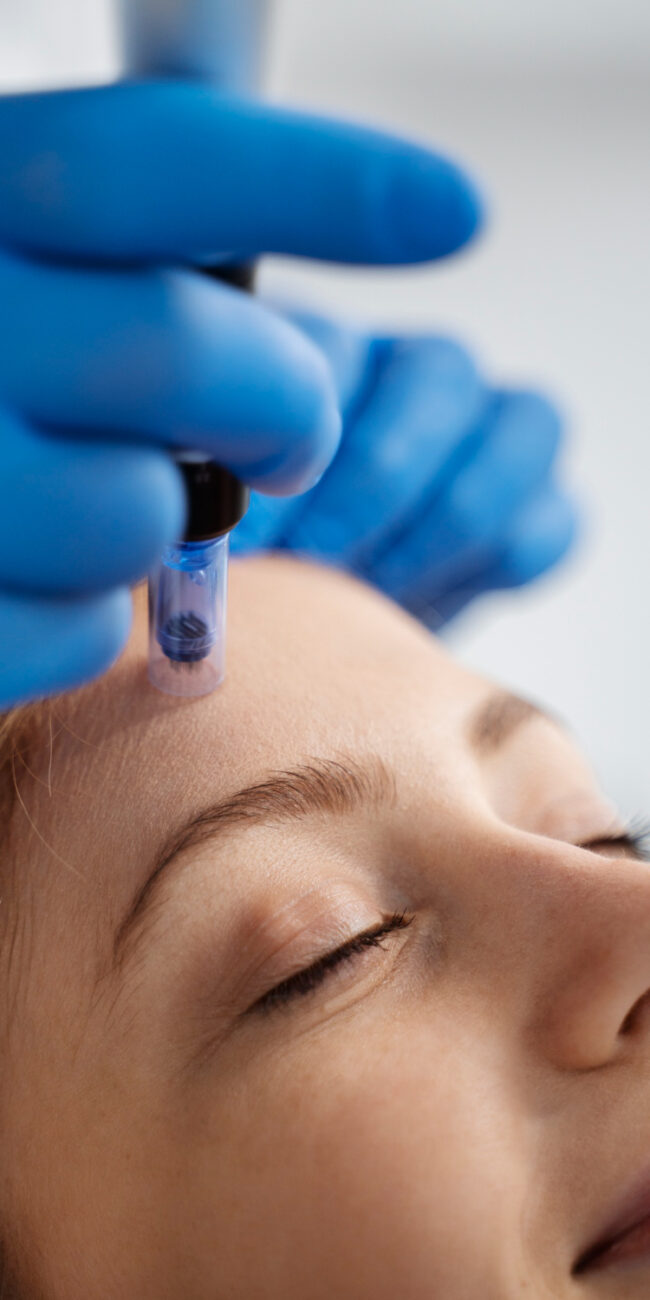
No. Needle mesotherapy involves injecting a solution with a thin needle. Microneedle mesotherapy uses a device that makes numerous micro-punctures on the skin’s surface, but it does not create the same intradermal deposits.
Can you return to work immediately after mesotherapy?
Most often, yes, but you should expect some localized redness, small bumps, or bruises. If the treatment covers a large area or the area around the eyes, it’s a good idea to have it done before a day off.
Is one mesotherapy treatment enough?
A single treatment can improve skin hydration, but for more noticeable problems, a series of treatments is usually recommended. A typical treatment plan involves 3–4 sessions, but this depends on the product and the specific condition.
Does mesotherapy fill in wrinkles?
It does not work the same way as hyaluronic acid used as a filler. Mesotherapy can improve skin hydration and elasticity and reduce the appearance of fine lines, but it is not intended to fill deep wrinkles.
Can bruising occur after mesotherapy?
Yes. The procedure involves numerous injections, so minor bruising and petechiae are possible. The risk may be higher for people taking medications or supplements that affect blood clotting.
How do you choose a mesotherapy product?
The product is selected based on the treatment area, skin condition, and treatment goal. A different product is used under the eyes, another for dehydrated facial skin, and yet another for the scalp. The decision should be made during the consultation.