


Removing Redness and Closing Capillaries in Warsaw
Diffuse erythema, red streaks, and spider veins may appear on the cheeks, nose, chin, or forehead. The treatment uses light energy absorbed by hemoglobin, which leads to controlled heating and the gradual closure of the targeted blood vessel. We can treat everything from a single lesion near the side of the nose to telangiectasias or redness covering a larger portion of the face. At CareLife Clinic in Warsaw’s Ochota district, we tailor the method and parameters to the diameter, depth, and location of the lesions. In cases of active rosacea or skin inflammation, prior dermatological treatment may be necessary.
+340 Satisfied Patients
+12 Specialists on the team
+2,400 Procedures per year
+15 Years of experience
Redness Removal and Vascular Treatment in Warsaw
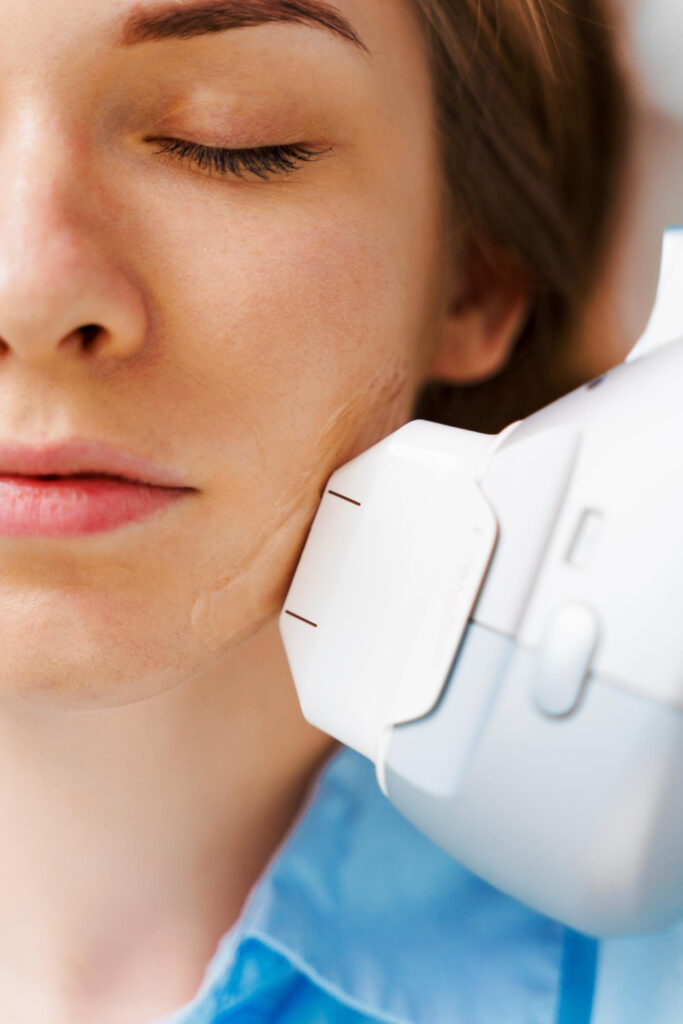
Diffuse erythema, red streaks, and spider veins may appear on the cheeks, nose, chin, forehead, and around the sides of the nose. In some people, redness occurs only after physical exertion, temperature changes, stress, or alcohol consumption, but over time it becomes permanent and remains visible regardless of external factors. The treatment allows for targeting both individual blood vessels and larger areas of skin with visible blood vessels.
During laser vessel closure, light energy is absorbed by hemoglobin and then converted into heat. This leads to the controlled constriction and closure of the selected vessel, which gradually becomes less visible. At CareLife Clinic in Warsaw’s Ochota district, we tailor the treatment parameters to the diameter, depth, and location of the lesions. If erythema is a symptom of active rosacea or another skin condition, the treatment may be part of a broader treatment plan.
What are erythema and vascular skin conditions
at CARELIFE CLINIC?
Erythema is localized or diffuse reddening of the skin resulting from the dilation of superficial blood vessels. It may appear episodically and subside after a few minutes, or it may persist continuously. It most commonly affects the cheeks, nose, chin, and central part of the forehead.
The skin in these areas is usually thin, reactive, and prone to a burning sensation, a feeling of heat, and sudden flushing. Symptoms may be exacerbated by UV radiation, cold, wind, high temperatures, saunas, intense physical exertion, stress, alcohol, and spicy foods. The treatment itself does not eliminate this predisposition, so proper skincare and limiting trigger factors are also important.
We’re open 7 days a week!
What are dilated capillaries and telangiectasias?
Telangiectasias are permanently dilated, superficial blood vessels visible through the skin as red, pink, or purple threads. Isolated lesions often occur near the sides of the nose, while on the cheeks they may form branched spider veins or accompany diffuse erythema.
These blood vessels do not disappear with the use of ordinary cream. Cosmetics can strengthen the skin barrier and reduce its reactivity, but closing established telangiectasias requires the use of appropriately selected light energy.
When should you consider laser treatment for broken capillaries?
The procedure is worth considering when the blood vessels are constantly visible, do not fade after rest, and are becoming increasingly numerous. Other indications may include persistent erythema, recurrent redness in the central part of the face, or isolated lesions near the nose that cannot be concealed with skincare products.
A consultation is particularly important if the redness is accompanied by papules, pustules, a burning sensation, swelling, or eye irritation. Such symptoms may indicate rosacea, which requires proper diagnosis and should not be treated solely with procedures.
Redness Removal and Vascular Treatment in Warsaw - Price List
Skin Rejuvenation – Morpheus8
- Face – 1,600 PLN
- Face and neck – 2,000 PLN
- Face + neck + décolleté – 2,200 PLN
- Hands – 1,000 PLN
Laser Skin Rejuvenation – SMAXELL CO2 Fractional Laser
- Face – 1,400 PLN
- Face and neck – 1,700 PLN
- Face + neck + décolleté – 2,200 PLN
Laser treatment of vascular lesions – Optimas Vasculaze Nd:YAG
- Face – 600 PLN
- Face and neck – 800 PLN
- Nose / chin – 300 PLN
- Cheeks – 400 PLN
- Legs – small area – 500 PLN
- Legs – large area – 900 PLN
Discoloration treatment – Optimas Lumecca 515 IPL
Broad-spectrum light – sun-induced and hormonal skin discoloration, freckles.
- Face – 1,000 PLN
- Face + neck + décolletage – 1,600 PLN
- Small area (nose) – 300 PLN
- Medium area (cheeks) – 600 PLN
- Hands – 400 PLN
Rosacea treatment – Optimas Lumecca 515 IPL
Broadband light.
- Face – 1,100 PLN
- Face + neck – 1,600 PLN
- Small area (nose/chin) – 300 PLN
- Medium area (cheeks) – 600 PLN
Are you thinking about choosing a service?
We can help you
We’re open 7 days a week!
Pre-procedure consultation and evaluation
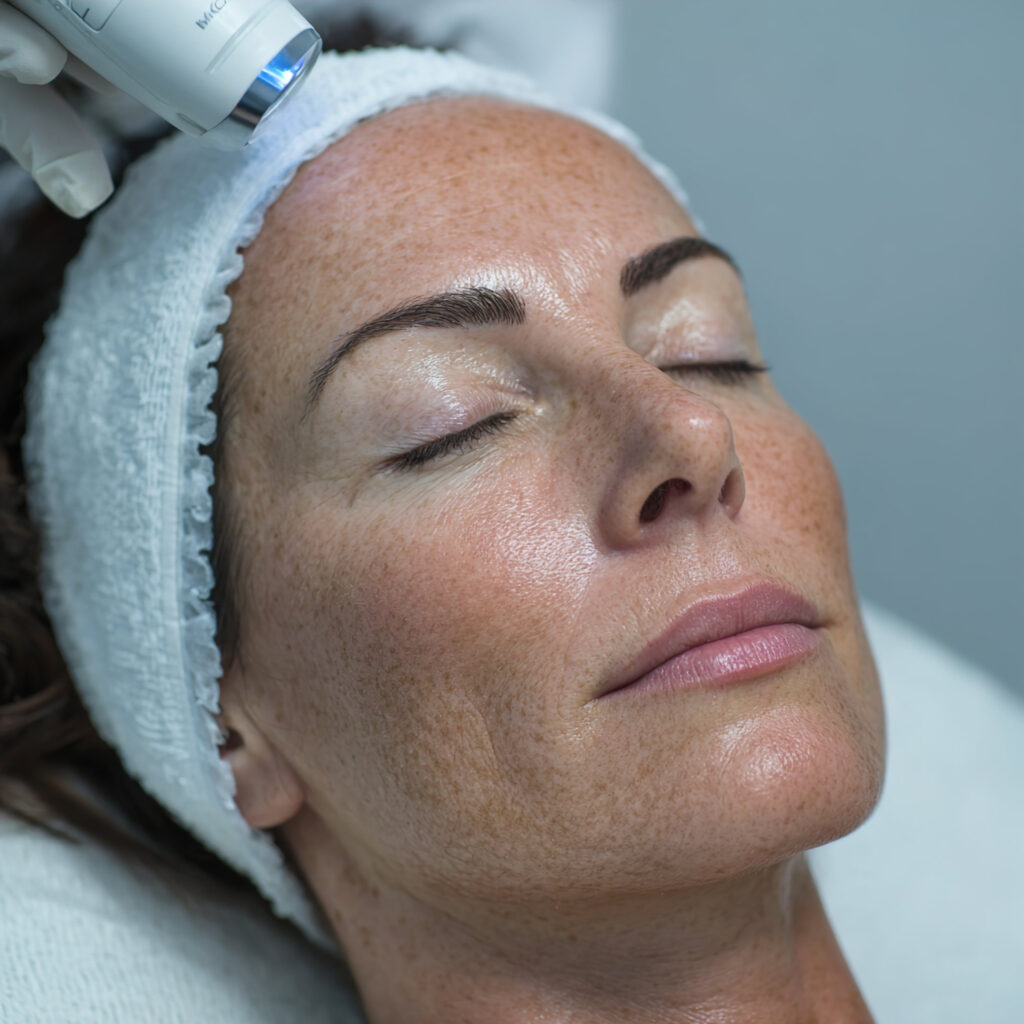
During the consultation, the specialist assesses the type of lesions, their distribution, color, and likely depth. The patient’s phototype, degree of tanning, condition of the skin barrier, and the presence of active inflammation, infection, or suspicious lesions are also evaluated.
The medical history includes chronic diseases, a tendency toward herpes and scarring, medications being taken, photosensitizing agents, anticoagulants, and previous treatments. The presence of fillers, threads, or implants in the treatment area must also be reported to determine a safe interval between procedures.
Indications for the Treatment of Erythema and Vascular Lesions
The most common indications include:
- – persistent redness of the cheeks, nose, chin, or forehead,
- – isolated broken capillaries near the sides of the nose,
- – telangiectasias and red threads visible through the skin,
- – spider veins,
- – erythema associated with rosacea,
- – ruby and stellate hemangiomas,
- – post-inflammatory erythema,
- – vascular symptoms of rosacea.
The type of lesion must be identified before treatment begins, because not every case of redness or hemangioma is suitable for the same procedure.
Aesthetic Medicine Doctors at Carelife Clinic
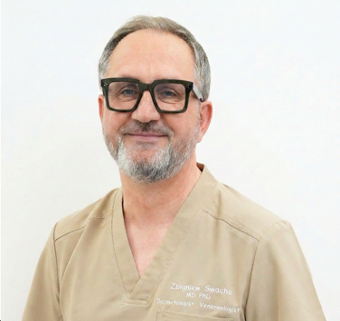


The patient remains under the care of physicians specializing in aesthetic medicine and the evaluation of skin changes. Before beginning treatment, a specialist identifies the nature of the problem, rules out any contraindications, and selects a method based on the depth and diameter of the blood vessels. This helps determine whether a vascular laser, IPL therapy, dermatological treatment, or a combination of several methods is the appropriate solution.
Redness Removal and Vascular Treatment in Warsaw’s Ochota District—a procedure at CareLife Clinic
CareLife Clinic is located at 3 Józefa Siemieńskiego Street in Warsaw’s Ochota district, near the Medical University of Warsaw (WUM) University Clinical Center. Patients have access to a private, free parking lot with 30 spaces.
Each treatment is preceded by a consultation and assessment of vascular lesions. The clinic is open Monday through Friday from 8:00 a.m. to 9:00 p.m., as well as Saturdays and Sundays from 8:00 a.m. to 3:00 p.m.
Removal of Capillaries on the Nose, Cheeks, and Chin
Single, clearly defined blood vessels most commonly appear on the sides of the nose. Branched telangiectasias and diffuse erythema are more frequently observed on the cheeks, while both small blood vessels and post-inflammatory redness may appear on the chin.
Each of these areas requires different parameter settings. The diameter of the blood vessel, its color, depth, and skin thickness are all important factors. Therefore, the cost and duration of the procedure may vary between treating a single blood vessel on the nose and treating erythema covering the entire face.
Removing facial erythema
In the case of diffuse erythema, the treatment does not focus solely on individual blood vessels. The goal is to gradually reduce redness over a larger area, improve skin tone uniformity, and reduce the visibility of the fine vascular network.
The outcome depends on the cause of the erythema. If the redness is episodic, associated with rosacea, or exacerbated by various triggers, a combination of treatments—including dermatological care, gentle skincare, and daily sun protection—may be necessary.
Laser Treatment for Spider Veins and Isolated Capillaries
A single blood vessel may react as early as the first session—it may fade, darken, or temporarily become more visible. However, this does not mean that the final result can be assessed immediately after the treatment. A closed blood vessel is gradually eliminated by the body, so the full change is assessed after several weeks.
For branched spider veins, the procedure is performed in stages. Treating all lesions with too high an energy level during a single visit would increase the risk of severe swelling, irritation, and discoloration.
Ruby hemangiomas, spider veins, and other vascular lesions
Ruby hemangiomas usually appear as small, red or burgundy spots. Spider angiomas, on the other hand, form a network of thin blood vessels radiating from a central point. Vascular lesions also include telangiectasias, stellate hemangiomas, and certain capillary malformations.
Before the procedure, the nature of the lesion must be confirmed. Atypical, rapidly growing, bleeding, or discolored lesions require prior dermatological evaluation. Laser therapy is not a substitute for the examination of suspicious skin lesions.
Erythema vs. Rosacea
Erythema may be one of the first symptoms of rosacea, but not all redness indicates this condition. Rosacea may also be accompanied by telangiectasias, flushing, a burning sensation, papules, pustules, and skin hypersensitivity.
Laser or light therapy can reduce the visibility of blood vessels and persistent redness, but they do not address the underlying cause of this chronic inflammatory condition. In cases of active lesions, earlier or concurrent dermatological treatment and skincare specifically designed for rosacea-prone skin may be necessary.
How does a vascular laser work?
The mechanism of action of a vascular laser is based on selective photothermolysis. The device emits light with parameters selected so that the energy is absorbed primarily by the blood within the vessel. The resulting heat causes coagulation and constriction of the vessel walls.
The body gradually breaks down the enclosed structure over the course of several weeks. The surrounding skin is spared as much as possible, but safety depends on the proper selection of wavelength, energy, pulse duration, and cooling.
Why does laser light affect hemoglobin?
Hemoglobin is a red pigment found in red blood cells and one of the chromophores that absorb light energy. As a result, light of the appropriate wavelength can affect a blood vessel much more strongly than the surrounding tissues.
A thin, red blood vessel on the cheek requires different settings than a deeper, bluish lesion. For this reason, settings are not selected based solely on the size of the area, but also on the color, diameter, and depth of the blood vessel, as well as the skin phototype.
Capillary Closure vs. Photorejuvenation and Lumecca
A vascular laser emits light at a specific wavelength and can be precisely targeted at individual blood vessels. Lumecca uses intense pulsed light (IPL) covering a broader wavelength range. It can be used to treat a combination of erythema, superficial blood vessels, hyperpigmentation, and signs of photoaging.
The choice depends on the predominant issue. For clearly defined telangiectasias, a vascular laser may be preferable, whereas for diffuse erythema combined with uneven skin tone, a specialist may consider IPL. These technologies are not automatically interchangeable.
Erythema Removal vs. Laser Treatment of Hyperpigmentation
In the case of vascular lesions, the light primarily targets hemoglobin, whereas during the reduction of hyperpigmentation, the energy is absorbed mainly by melanin. Erythema appears red or pink, while hyperpigmentation is most often brown, beige, or grayish.
Accurate diagnosis is important because settings designed for reducing pigmented spots may not be suitable for telangiectasias. If both issues are present simultaneously, treatments can be planned in stages or a technology that allows for working with different chromophores can be used.
How should you prepare for capillary closure treatment?
Avoid sunbathing and tanning beds for about 4 weeks before the procedure. Do not apply self-tanning products to your skin. A few days before your appointment, you should generally stop using retinol, strong acids, exfoliants, and cosmetics that may cause irritation—the exact timing will be determined by your specialist.
You must disclose all medications, supplements, and herbal remedies, especially those that increase photosensitivity or affect blood clotting. Do not stop taking any medications prescribed by your doctor on your own. On the day of the procedure, your skin should be clean and free of makeup and perfumed cosmetics.
How is the erythema removal procedure performed?
After the skin is cleansed, the patient is given protective eyewear. The specialist sets the parameters appropriate for the type of blood vessels and applies the treatment head to successive areas. Depending on the device, contact cooling, cold air, or a gel to improve comfort is used.
A single pulse can cause a blood vessel to fade, darken, or become temporarily more visible. Treatment of a small area, such as the sides of the nose, may take a dozen or so minutes, while treating the cheeks or the entire face usually takes longer.
Does laser treatment for broken capillaries hurt?
The sensations are most often described as a brief prick, a burning sensation, or a snap like a rubber band. Greater discomfort may occur around the wings of the nose, the upper lip, and in areas with numerous lesions requiring multiple pulses.
The cooling system limits the heating of the skin’s surface and improves comfort. However, the intensity of the sensations depends on the treatment site, the diameter of the blood vessels, the energy setting, and the patient’s individual sensitivity.
How many treatments are needed for rosacea and broken capillaries?
A single, superficial blood vessel may require 1–2 sessions. For a larger number of telangiectasias or diffuse erythema, a series of 1–3 treatments is most often scheduled, and in more advanced or recurrent cases, therapy may be prolonged.
Sessions are usually performed at intervals of about 3–4 weeks. Before the next visit, the specialist assesses the skin’s response and the degree of reduction in the lesions, and then modifies the parameters as needed.
When do the results of capillary closure become visible?
Some of the small blood vessels fade during the procedure itself, but the final result appears gradually. The closed blood vessels are eliminated by the body, so improvement is usually noticeable after 2–4 weeks.
Immediately after the procedure, erythema may temporarily become more intense. The blood vessel may also darken, and slight swelling or pinpoint bruising may appear at the treatment site. This initial reaction does not determine the final result.
Can erythema and broken capillaries return?
A properly closed blood vessel usually does not reopen, but the tendency for new lesions to form remains. Over time, additional telangiectasias may appear, especially in people with couperose skin, rosacea, or a genetic predisposition.
UV radiation, frequent overheating of the skin, saunas, freezing temperatures, sudden temperature changes, alcohol, spicy foods, and improper skincare also contribute to flare-ups. Therefore, treatment should include SPF protection, maintaining the skin barrier, and limiting known triggers.
Recovery After Laser Treatment for Broken Capillaries
After the procedure, the skin may be red, warm, and slightly swollen. These symptoms usually subside within a few hours or 1–2 days. In the case of more intensive treatment, pinpoint bruises, small scabs, or reddish-purple marks may appear and last from a few days to about two weeks.
Most people can return to their normal activities immediately or the next day. However, it is important to be aware of the possibility of visible skin reactions, especially after a procedure involving the cheeks, the area under the eyes, or the entire face.
Post-Treatment Recommendations for Erythema and Broken Capillaries
The skin should be gently cleansed and moisturized with products that are free of alcohol, fragrances, and exfoliating ingredients. It is essential to use an SPF 50 sunscreen and avoid direct exposure to the sun.
For at least 48 hours, avoid saunas, hot baths, swimming pools, intense workouts, facial massages, and alcohol. Until your skin has calmed down, do not use retinol, acids, exfoliants, or sonic brushes. Do not rub or pick at scabs or bruised areas.
Contraindications for Laser Vascular Treatment
The procedure should not be performed on skin that has recently been tanned, is damaged, or is infected. Contraindications may also include active herpes, photosensitivity, certain photodermatoses, the use of photosensitizing medications, and unexplained skin lesions in the treatment area.
Pregnancy and breastfeeding, uncontrolled diabetes, coagulation disorders, anticoagulant therapy, a tendency to develop keloids, autoimmune diseases, and retinoid therapy require individual assessment. Fillers, threads, and implants do not always preclude the procedure, but they must be disclosed during the consultation.
Possible Side Effects and Warning Signs
Common, temporary reactions include redness, swelling, a sensation of warmth, localized bruising, and temporary darkening of the blood vessel. Less commonly, blisters, scabs, burns, discoloration, depigmentation, or scarring may occur.
Contact the clinic if you experience severe or worsening pain, extensive blisters, oozing lesions, signs of infection, or swelling that impairs your vision. Do not pop blisters on your own or use antibiotics or steroid ointments without consulting a doctor.
Removing Redness and Closing Capillaries in Warsaw - FAQ
Patients most often ask whether the broken capillaries will disappear immediately, how many sessions they should schedule, and how long the skin will remain red. Below, we answer the most important questions about laser treatment for erythema and telangiectasia.
Does the closed blood vessel disappear immediately after the procedure?
The lesion may immediately fade, darken, or become temporarily more visible. The final result is usually assessed after 2–4 weeks, once the closed lesion has been gradually eliminated by the body.
How many treatments are needed to close the blood vessels?
For a single lesion, 1–2 treatments may be sufficient. Extensive erythema or numerous telangiectasias usually require a series of 1–3 sessions performed at intervals of several weeks.
Can the procedure be performed in the summer?
The procedure should not be performed on skin that has recently been exposed to the sun. If the patient can effectively avoid the sun and use SPF 50, the specialist will assess on a case-by-case basis whether the treatment can be performed. The safest times of year are usually fall and winter.
Can a laser treat rosacea?
Laser treatment can reduce the visibility of broken capillaries and persistent redness, but it does not address the underlying cause of the chronic condition. Rosacea often also requires dermatological treatment, proper skincare, and avoidance of triggers.
How does capillary closure differ from Lumecca photorejuvenation?
A vascular laser can be precisely targeted at a specific blood vessel, whereas Lumecca IPL treats a larger area and can simultaneously address erythema, fine blood vessels, and hyperpigmentation. The choice of method depends on the predominant issue and the depth of the lesions.
How long does the redness last after the treatment?
Mild redness and swelling usually subside within a few hours or 1–2 days. Pinpoint bruises, small scabs, or purple marks resulting from a more intense treatment may remain visible for several days, and sometimes for up to about two weeks.